Ultimate golf trips,
every state.
49 states with 17,491 mapped courses between them. Each trip page has the bucket-list anchors, the premier picks, the best public-access courses, and the architects who built the place.
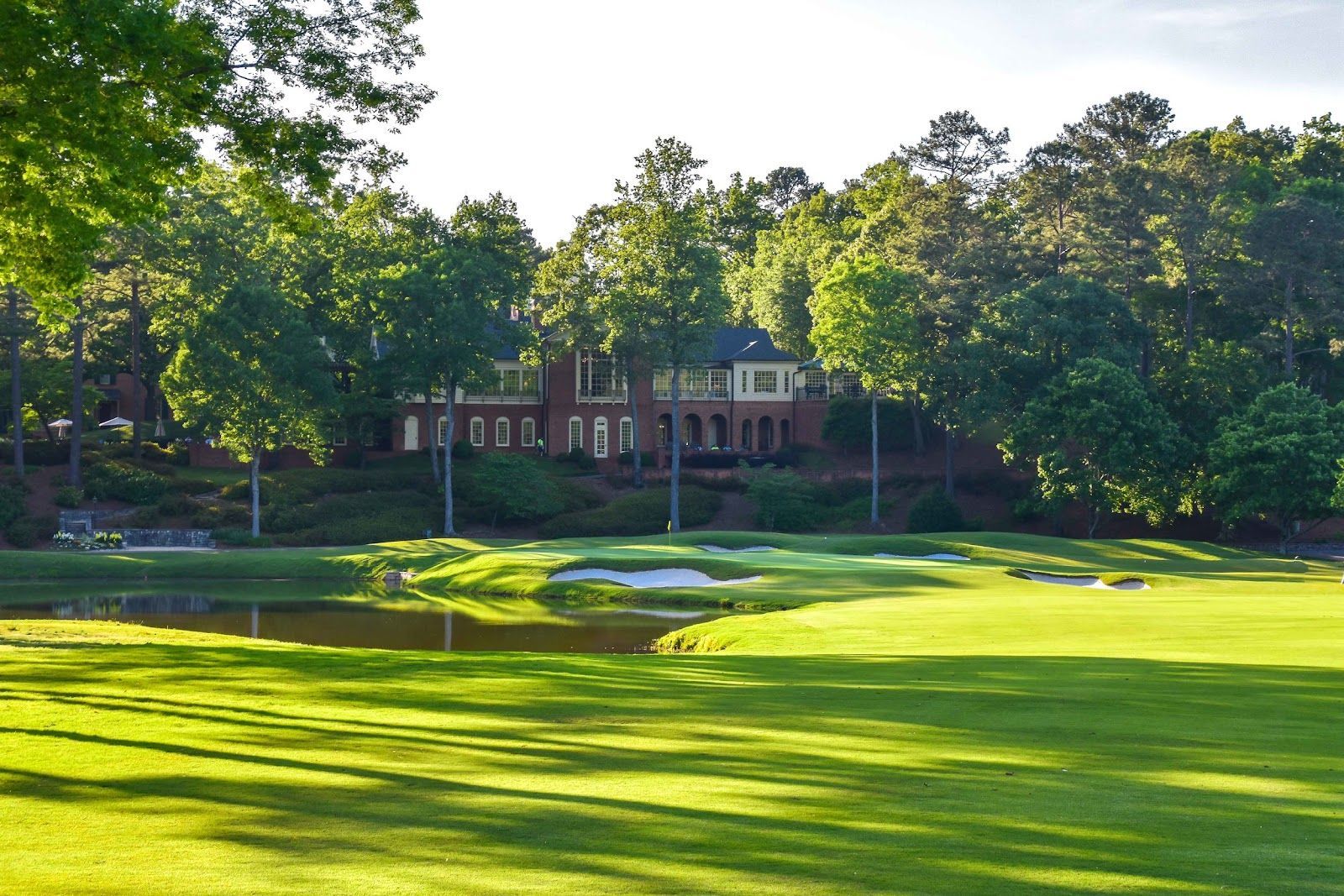
Alabama is the Robert Trent Jones Golf Trail: 11 sites, 26 courses, built in the 1990s as a state-funded public-access network. The high points are Capitol Hill, Magnolia Grove, and Ross Bridge. Add Shoal Creek (1990 PGA), the country club next to Birmingham, for the private side.
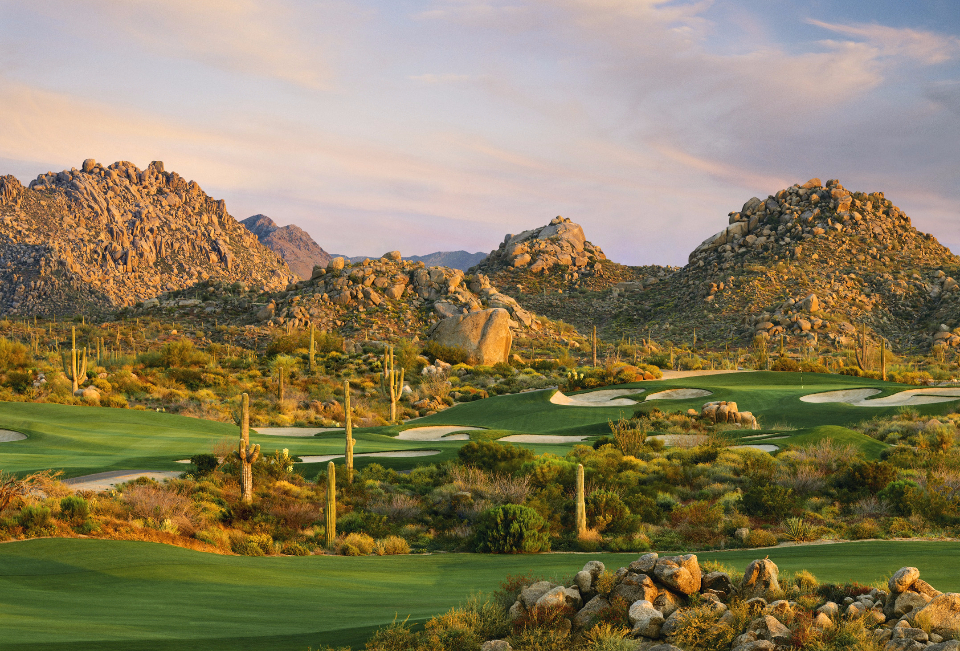
Arizona is winter golf for the rest of the country. Scottsdale's resort catalog (Troon North, Estancia, Whisper Rock, Desert Mountain's six layouts) is the densest cluster. Tucson is the quieter alternative with the Boulders and the Ritz-Carlton at Dove Mountain.
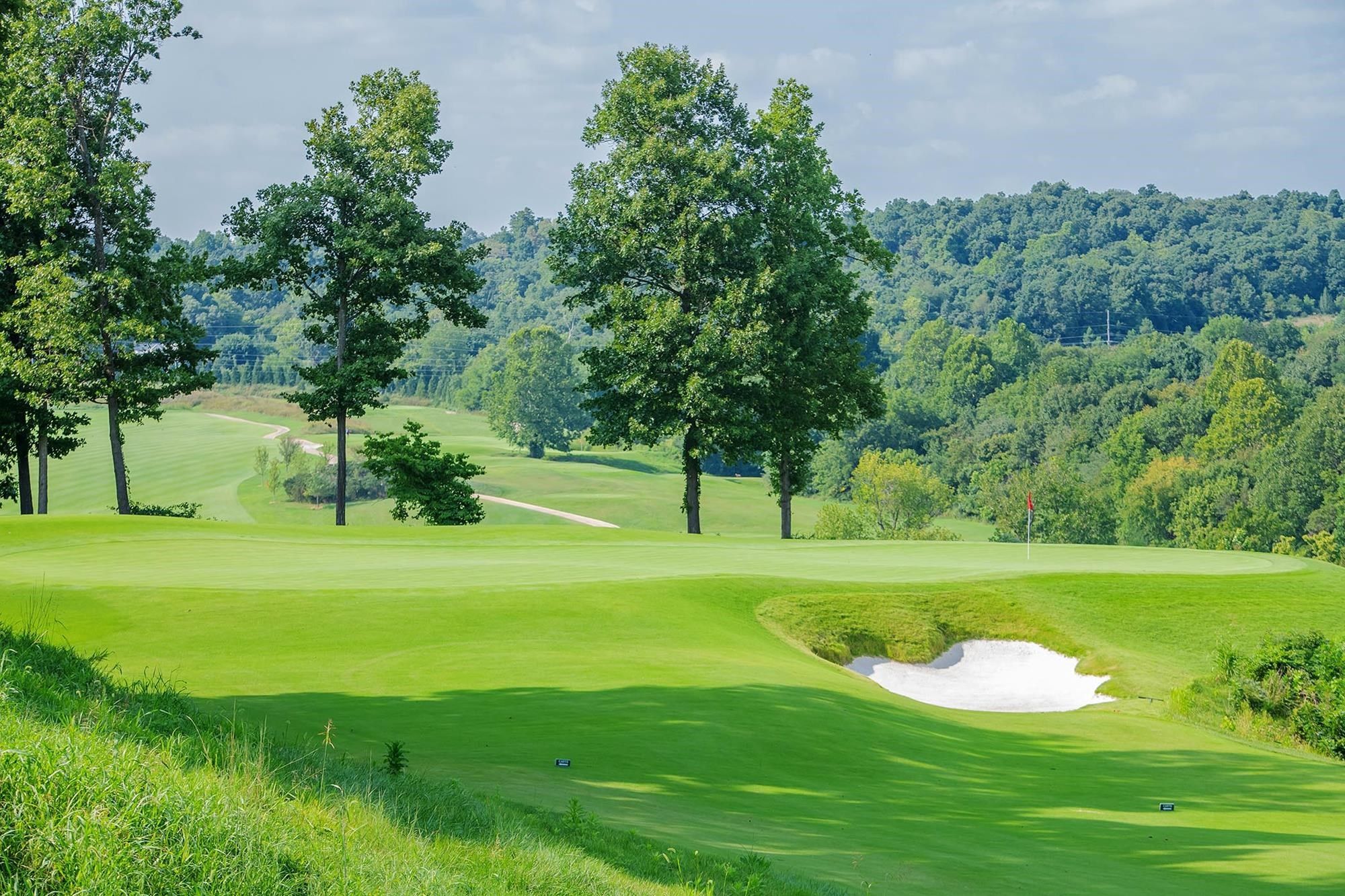
Arkansas has two ultra-private architectural anchors, The Alotian Club (Roe, 2004) and The Blessings (Robert Trent Jones Jr., 2004) in Fayetteville, plus the public-access Big Creek Golf and Country Club. The state is more deep than wide; you can play the bench in a long weekend.
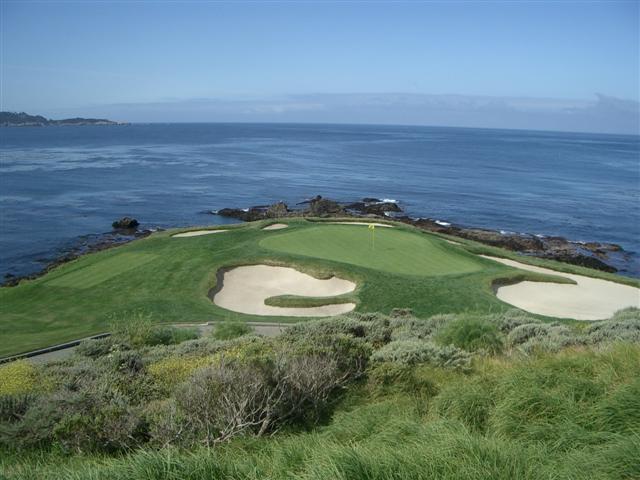
California holds the densest cluster of bucket-list golf in America. The Monterey Peninsula alone (Pebble, Cypress, Spyglass, Pasatiempo a short drive north) could be a full trip. The desert resorts down south are the winter alternative. Pebble Beach Golf Links is open to public play; Cypress Point is famously not.
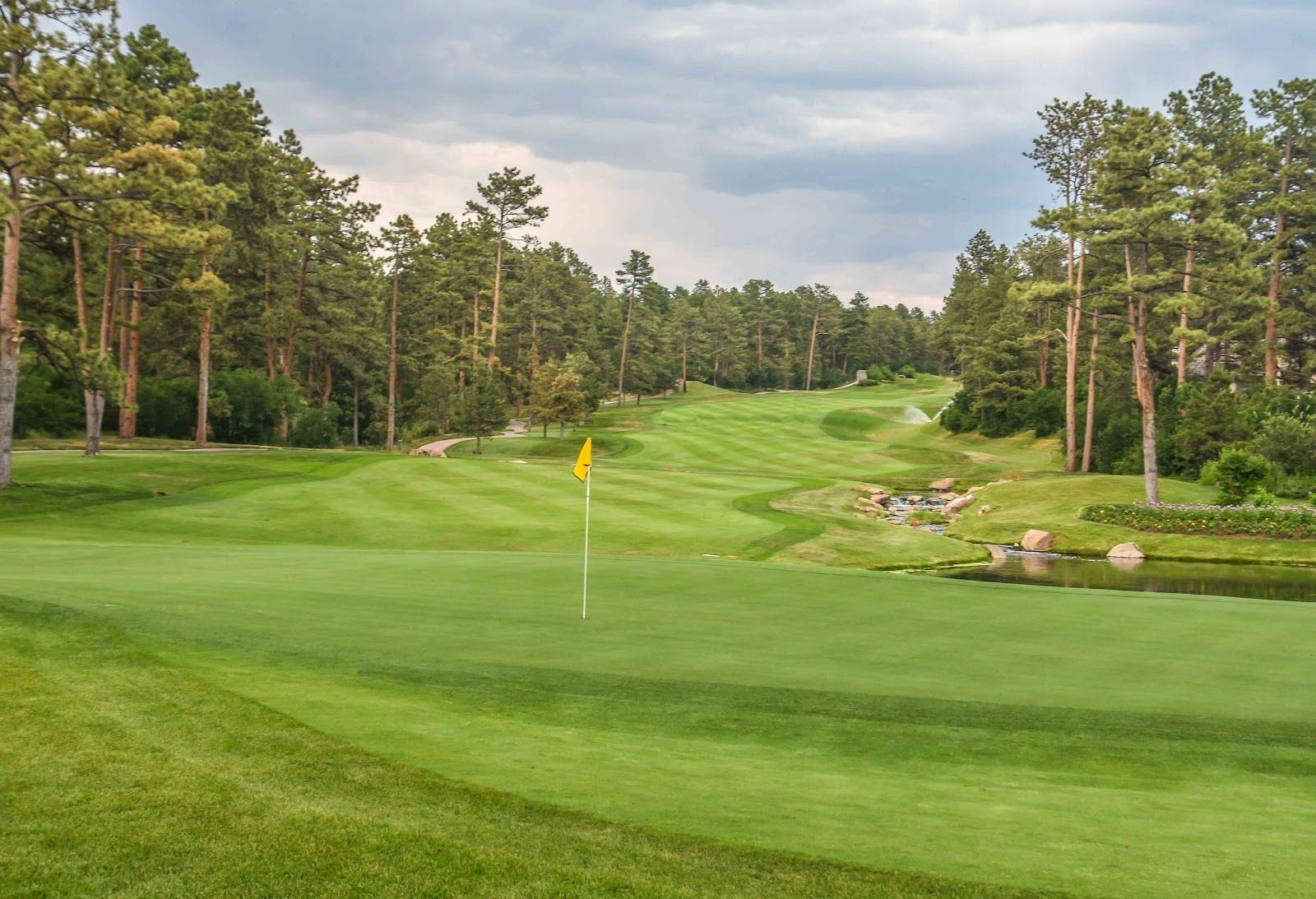
Colorado golf plays a club shorter at 5,000 feet and a club shorter again above 7,000. Cherry Hills (1960 US Open, the Arnold Palmer drive on 1), Castle Pines, Ballyneal in the Pawnee Grasslands, the Broadmoor in Colorado Springs. The mountain courses (Red Sky Ranch, Roaring Fork) are open June through September only.
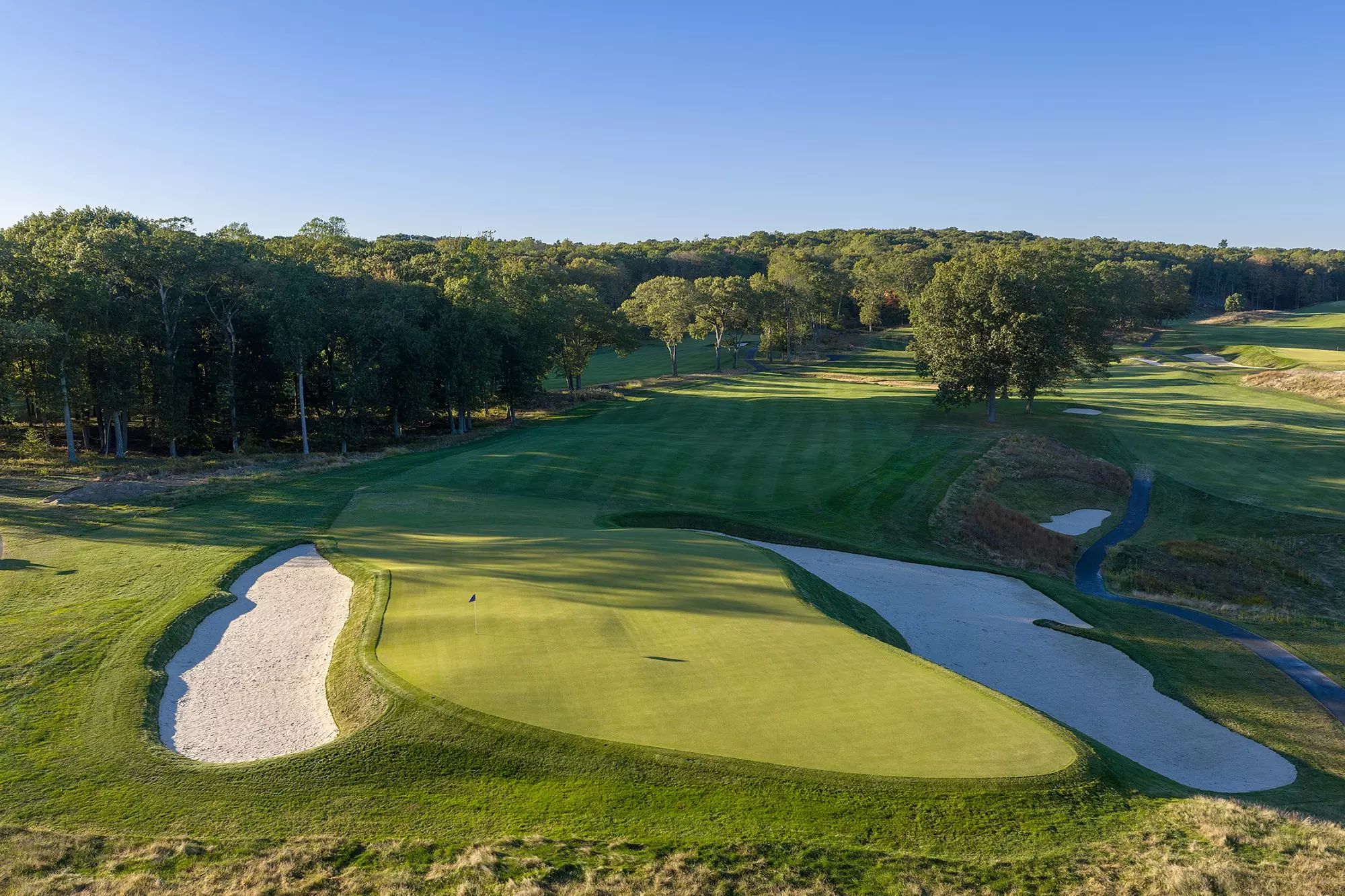
Connecticut's golf is anchored by Yale Golf Course (CB Macdonald/Seth Raynor, 1926), one of the most architecturally important courses in America and open to a small public pool. TPC River Highlands (Cromwell) hosts the Travelers Championship every June. Add Stanwich, Wee Burn, and the Country Club of Fairfield.
Delaware is small and small-volume but has the Wilmington Country Club's two courses (BMW Championship 2022 venue) and the DuPont Country Club's three. Bayside in Selbyville is the Jack Nicklaus public-resort coastal layout. Easy to combine with eastern Maryland or southern PA for a long weekend.
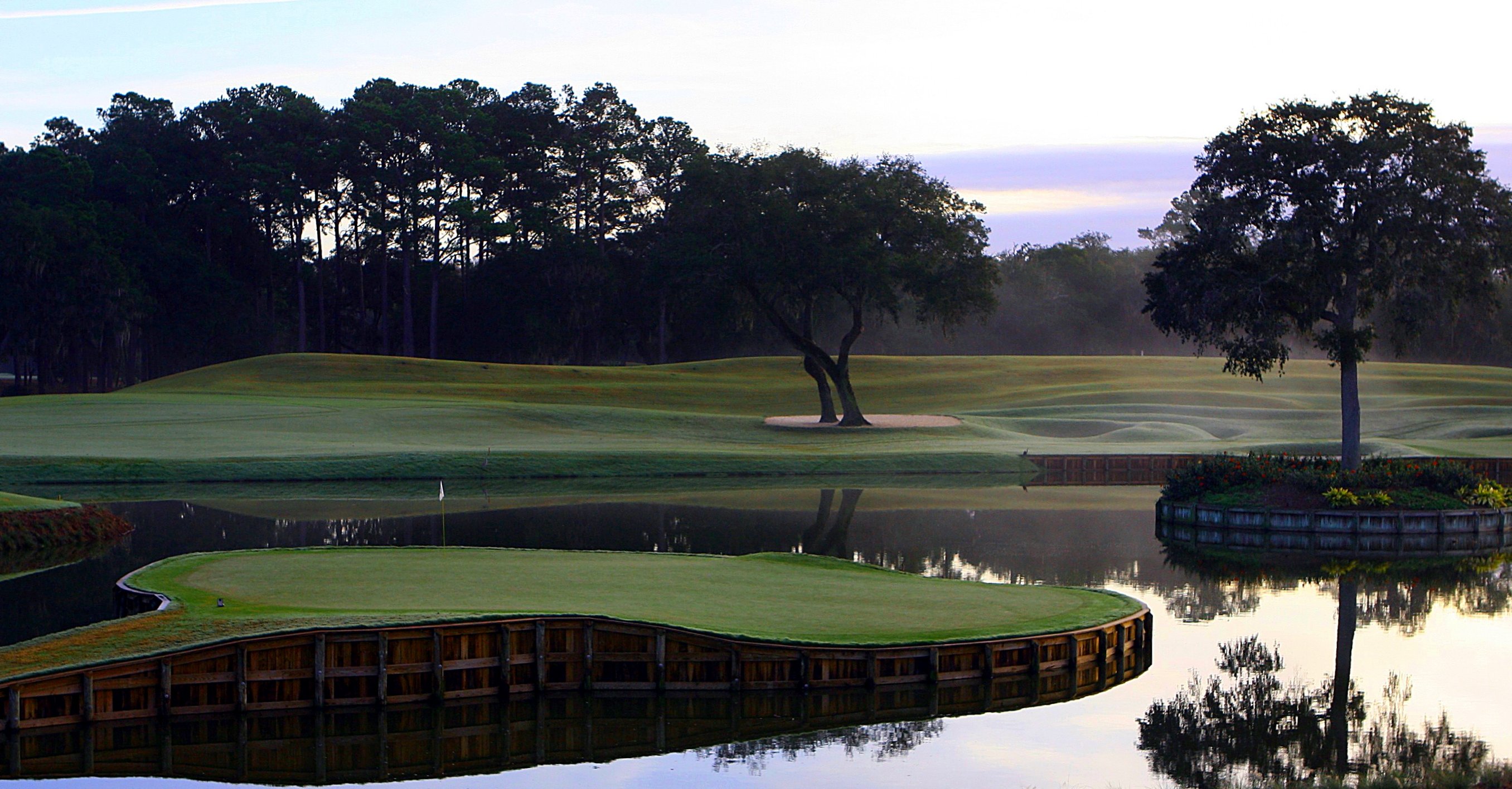
Florida is the highest-volume golf state in America. Resort golf in Naples, ultra-private Seminole on the Atlantic side, the Streamsong phosphate-mine miracle in the middle, Sea Island just up the coast. December through April every public-access course in the state runs at peak.

Georgia's golf orbits Augusta in spirit but not in tee times. You aren't playing Augusta National; almost nobody is. The realistic Georgia trip stitches together Atlanta (East Lake, Peachtree), the Augusta-area public + sponsored-play options (Forest Hills, Champions Retreat), and the Sea Island resort cluster down the coast (Plantation, Seaside, Frederica).
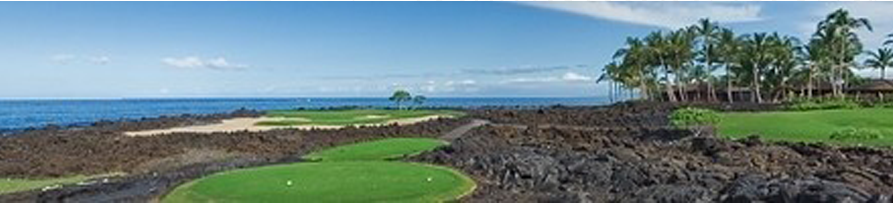
Hawaii is the resort-golf bookend to a Bandon Dunes trip. The Big Island has Mauna Kea (RTJ Sr., 1965), Mauna Lani, and Hualalai; Maui has Kapalua's Plantation Course (the Tournament of Champions venue every January) and the Wailea trio; Oahu adds Kapolei and Ko Olina.
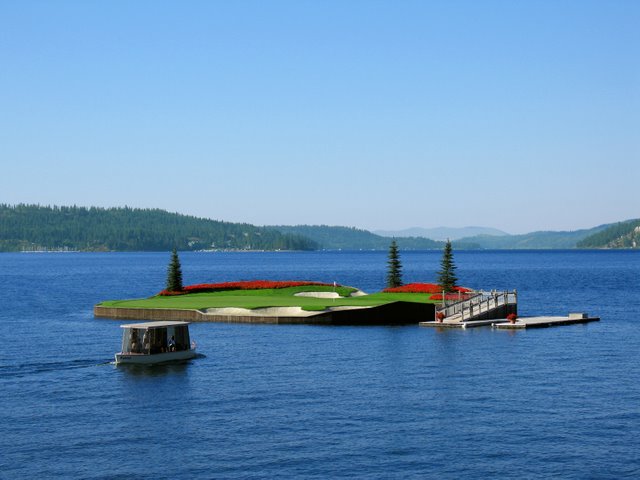
Idaho is Coeur d'Alene Resort, the floating-green par-3 14th hole, the boat shuttle to the tee, and not much else in the public-access bracket. The Club at Black Rock (Jim Engh) and Gozzer Ranch (Tom Fazio) add the private side. Sun Valley's Trail Creek is the mountain-summer alternative further south.

Chicago is one of the great American golf cities. The Lake County corridor north of the city (Chicago Golf Club, Bob O'Link, Old Elm, Shoreacres, Knollwood) stacks Macdonald and Raynor classics. Olympia Fields and Medinah are the major-championship anchors south and west of the loop.
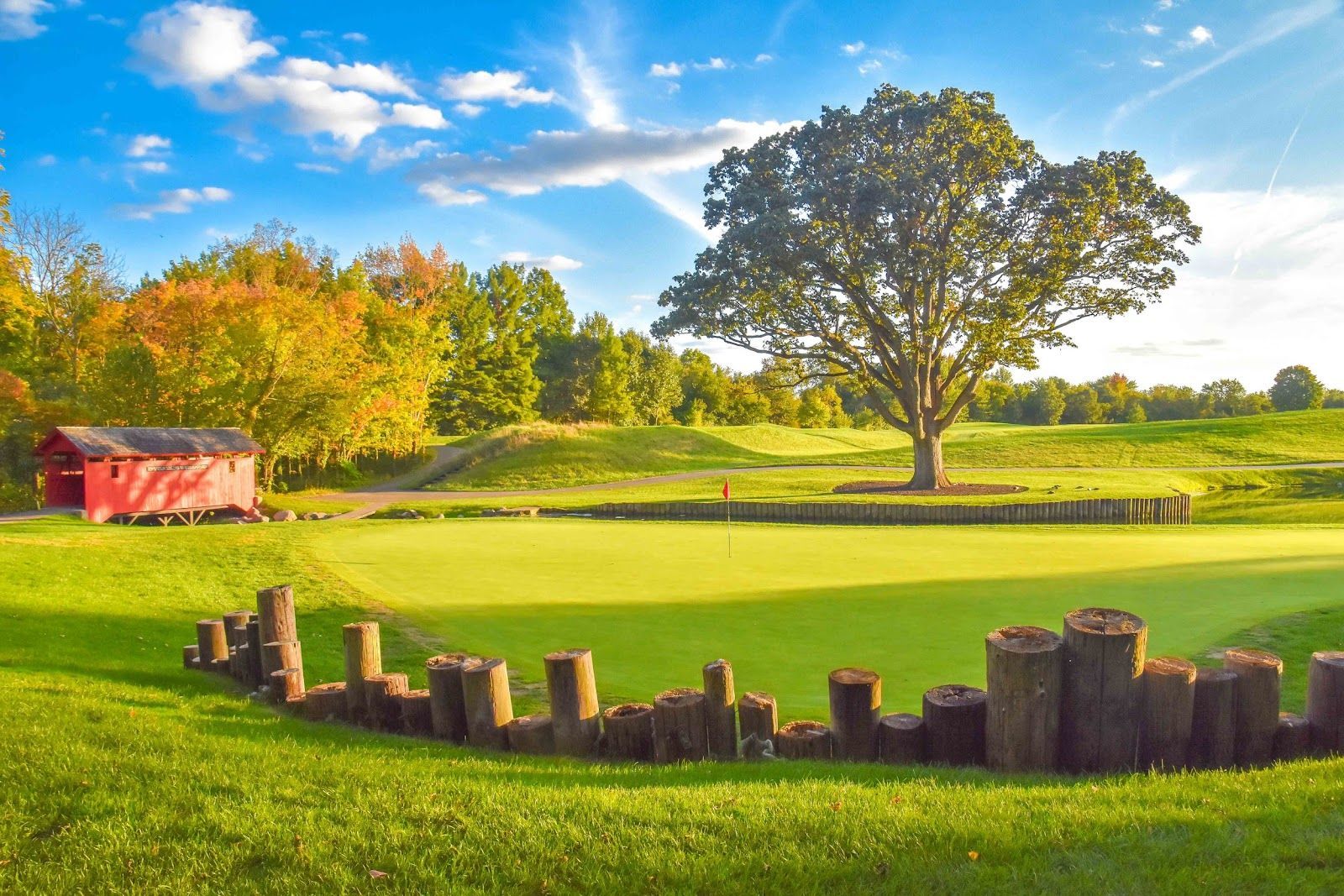
Indiana is one of Pete Dye's home states. Crooked Stick north of Indianapolis hosted the 1991 PGA, the 2012 BMW, the 2016 BMW; the French Lick Pete Dye Course in the southern hills opened in 2009. Add Victoria National, Sycamore Hills, and a strong Donald Ross bench around Indianapolis.
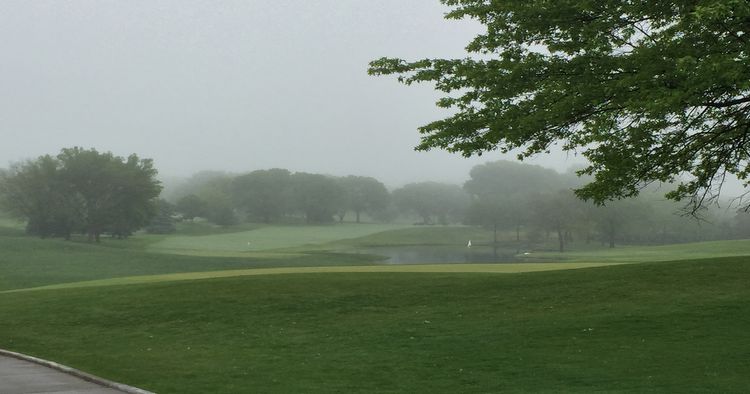
Iowa is the kind of state you don't visit for golf and then can't stop thinking about. Spirit Hollow in Burlington, Talons of Tuscany north of Des Moines, the Harvester near Iowa City. Des Moines Golf and Country Club is one of the Midwest's best old-school courses; Wakonda Club is the Bobby Jones-touched private classic.
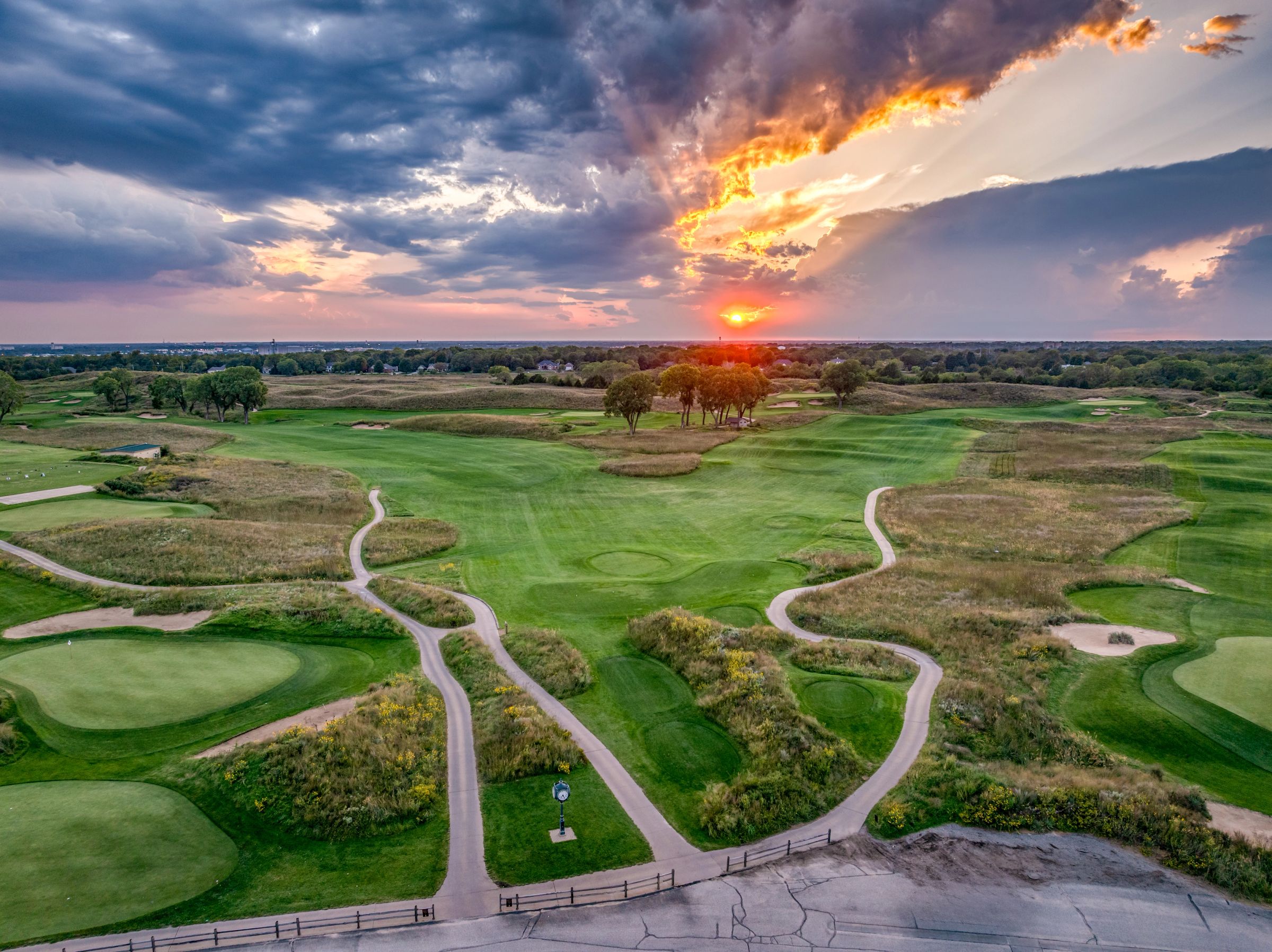
Kansas is Prairie Dunes Country Club in Hutchinson. Perry Maxwell, opened 1937. Routinely in Golf Digest's top 25 in America. Wichita has the Flint Hills National private side; Kansas City's Country Club has the older classical bench across the state line.
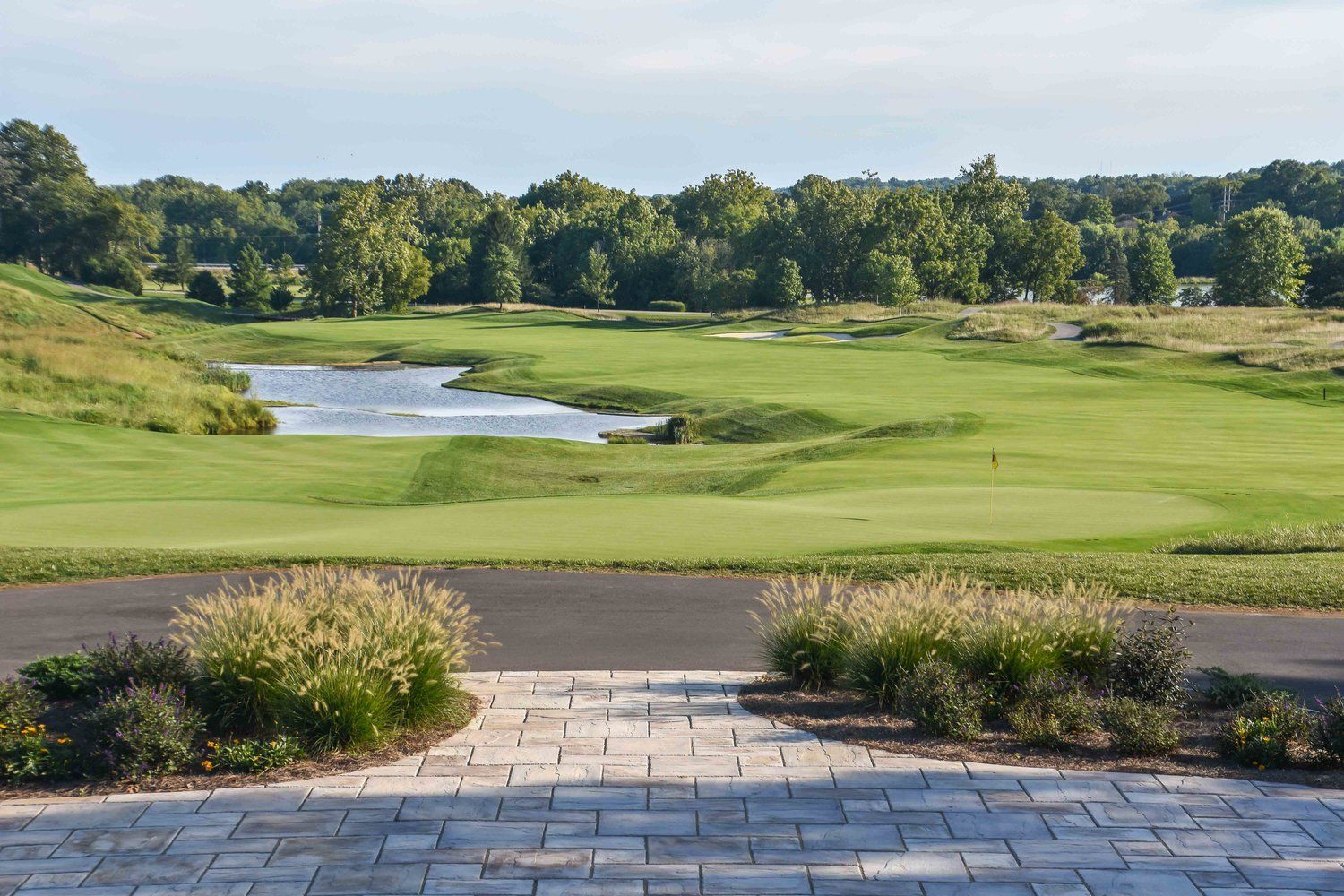
Kentucky golf orbits Louisville's Valhalla (1996/2000/2014 PGA Championships, 2008 Ryder Cup). Out east, French Lick's Donald Ross course is technically over the Indiana line but practical to pair. Big Springs and Standard Country Club give Louisville a deep classical bench beyond the major-host headliner.
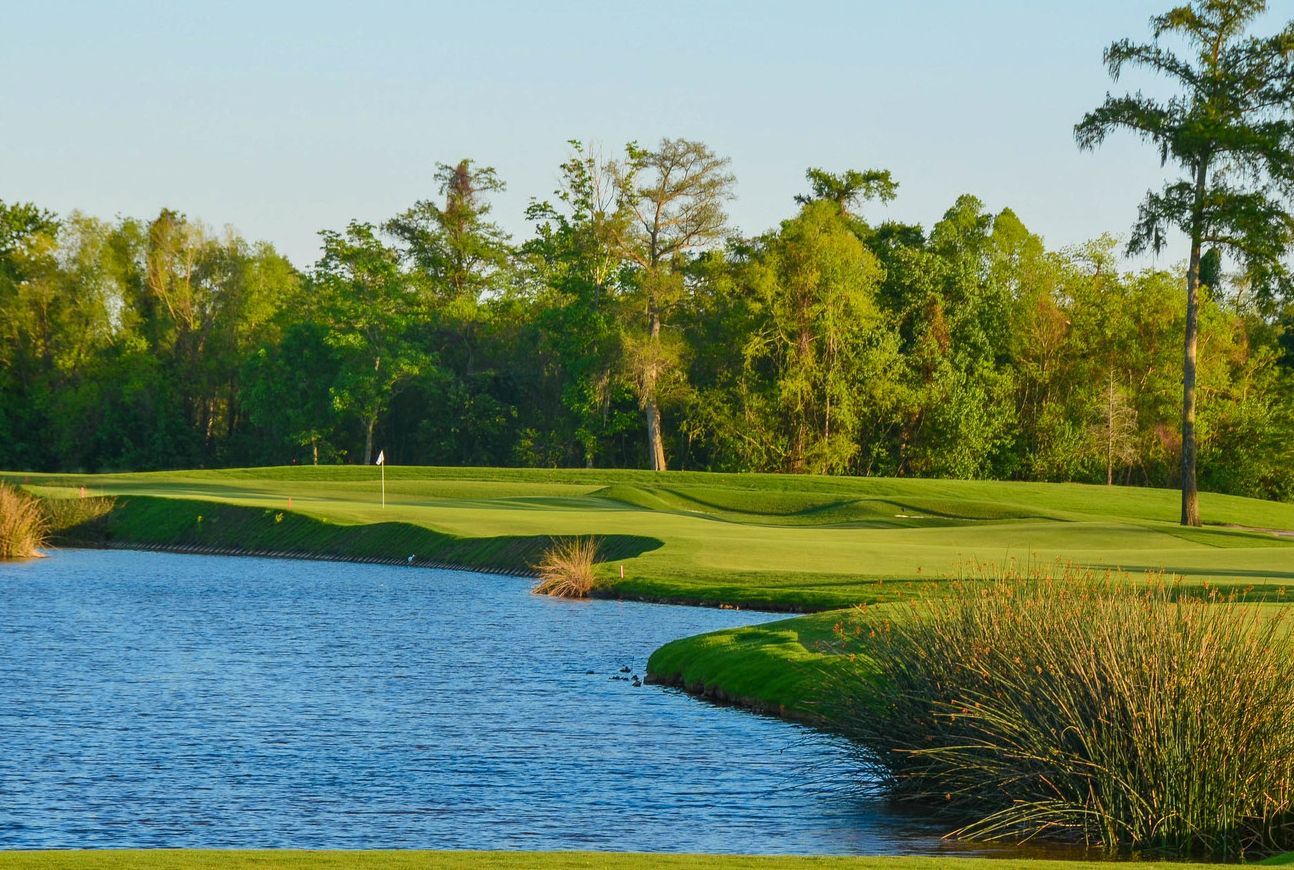
Louisiana's headline is TPC Louisiana (Pete Dye, 2004, Zurich Classic of New Orleans every April). English Turn in New Orleans is the Jack Nicklaus city-edge layout; Squire Creek in Choudrant is the Tom Fazio private anchor in the state's north. The new University Club of Baton Rouge fills out central LA.
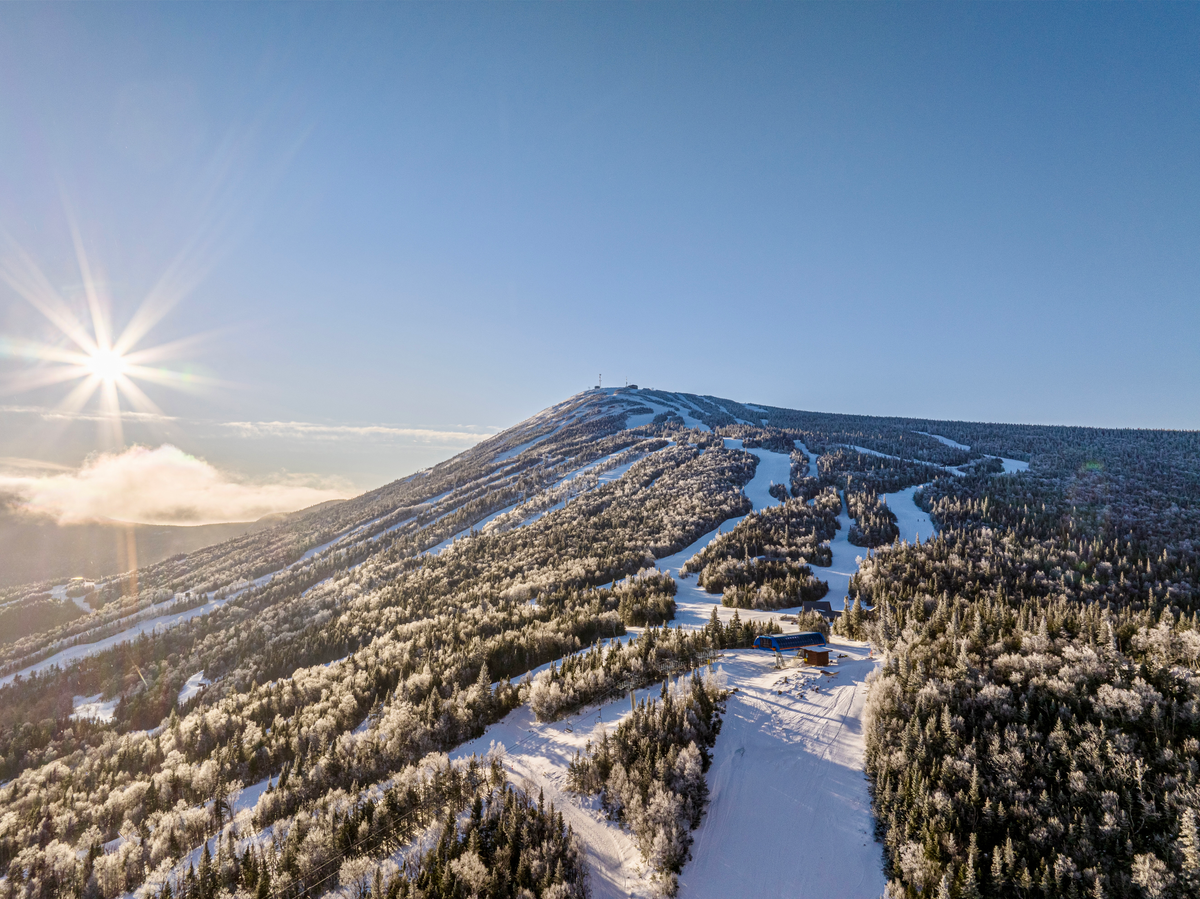
Maine golf is short-season (May through October) and worth the constraint. Cape Arundel in Kennebunkport, Walter Travis 1922, was the summer course of George H.W. Bush. Sugarloaf in Carrabassett Valley is the RTJ Jr. mountain layout. Belgrade Lakes and the new Tetherow-style Saddleback near the lakes anchor inland Maine.
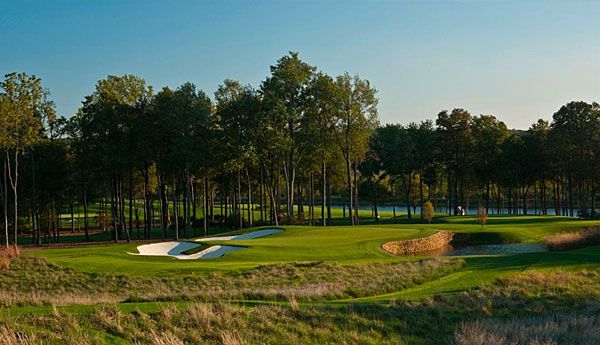
Maryland's golf orbits the DC metro: Congressional, Caves Valley, Bulle Rock public-side, Maryland Golf & Country Club. Eastern Shore has the Bayside layouts; western Maryland has the underrated Whiskey Creek and PB Dye Golf Club.

Massachusetts has more architectural depth than people give it credit for. The Country Club at Brookline (U.S. Open 1913, 1963, 1988, 2022), Myopia Hunt north of the city, Eastward Ho and Kittansett on the Cape, plus the Old Sandwich / Boston Golf Club private bench.
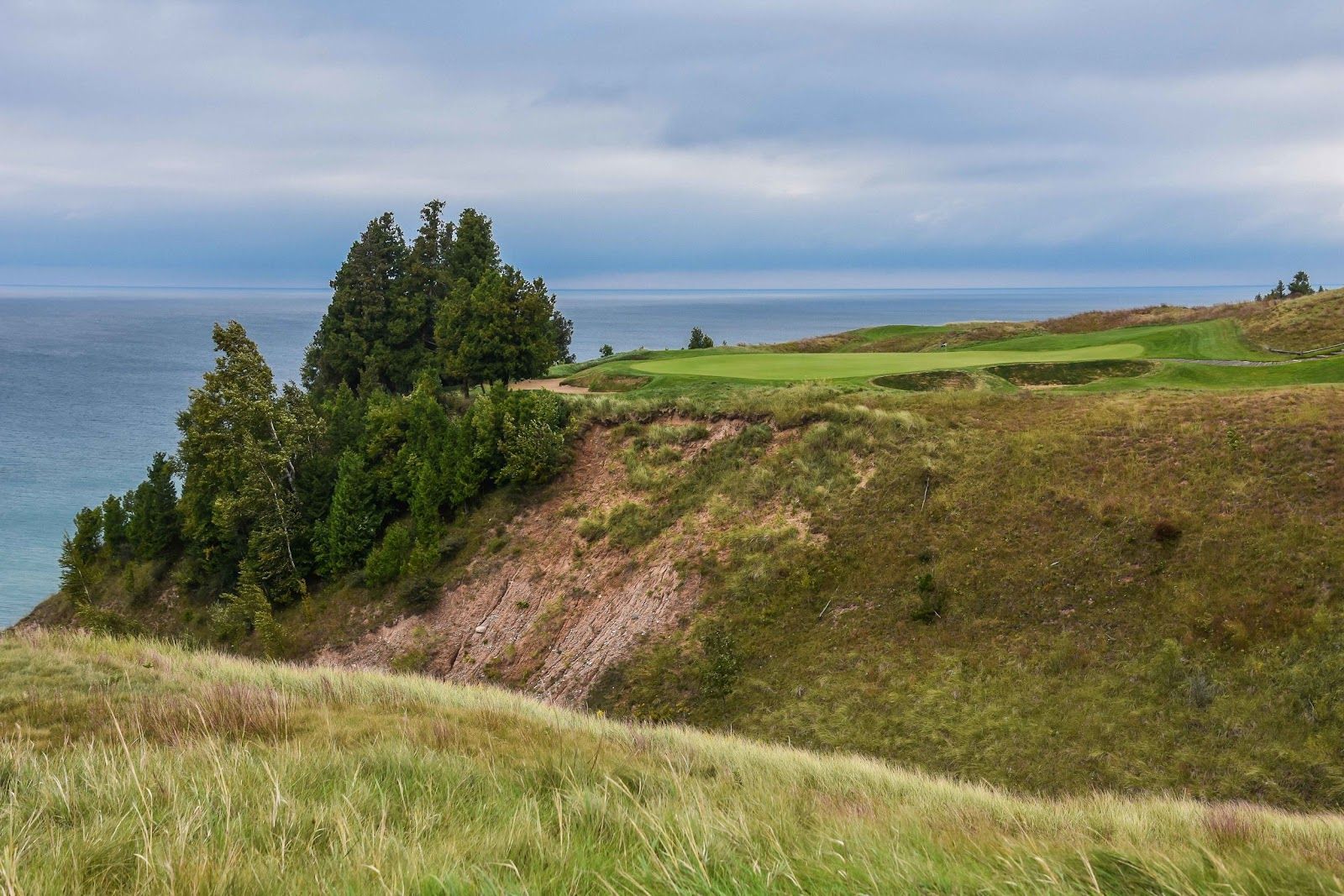
Michigan's golf is concentrated in the Up North region, Traverse City to Petoskey to Mackinac, ringed by the lakes. Crystal Downs, Arcadia Bluffs, and the Forest Dunes layouts make a tight summer week. Pure Michigan is open May through October only; September and the first half of October are peak.
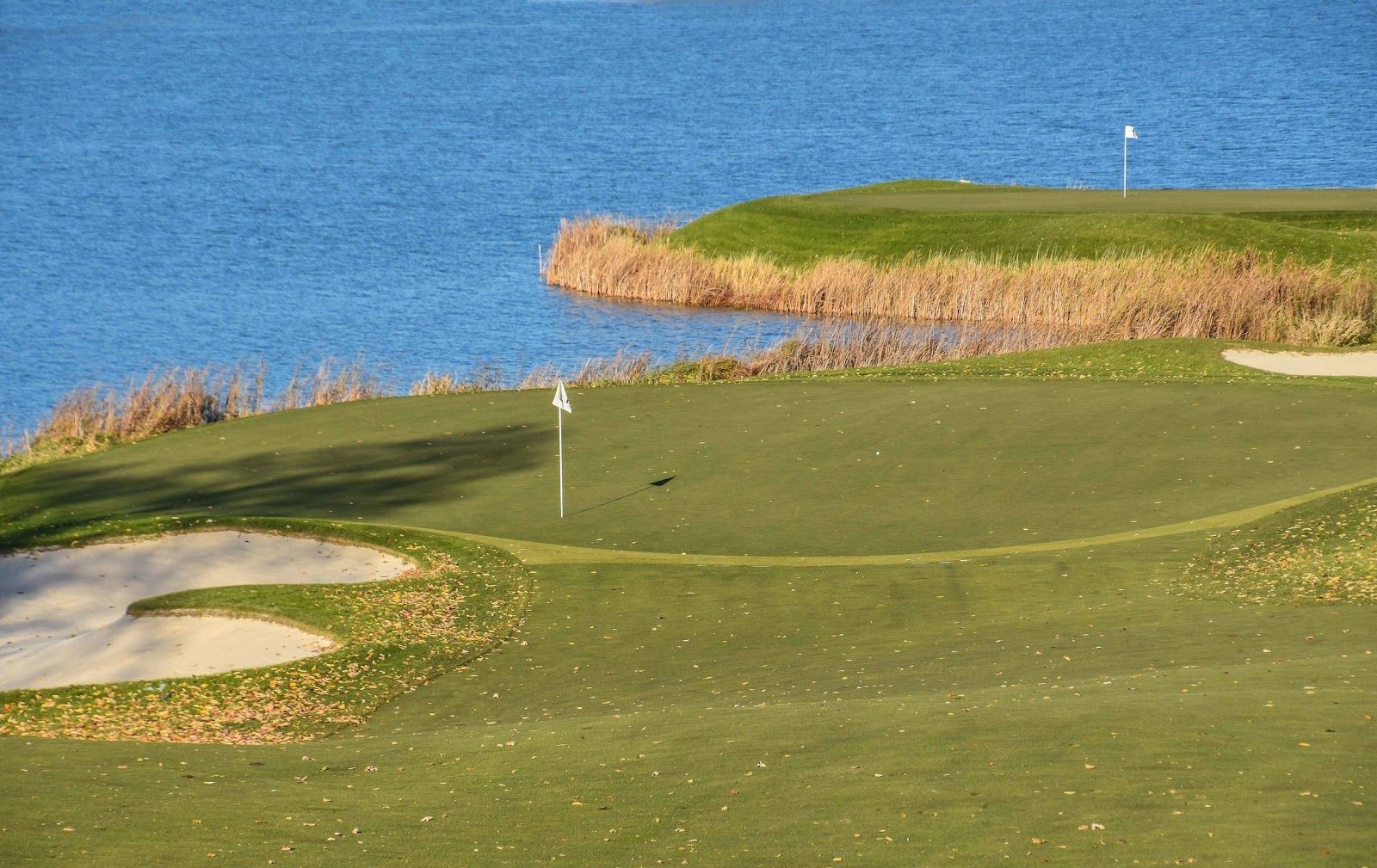
544 mapped courses in Minnesota.
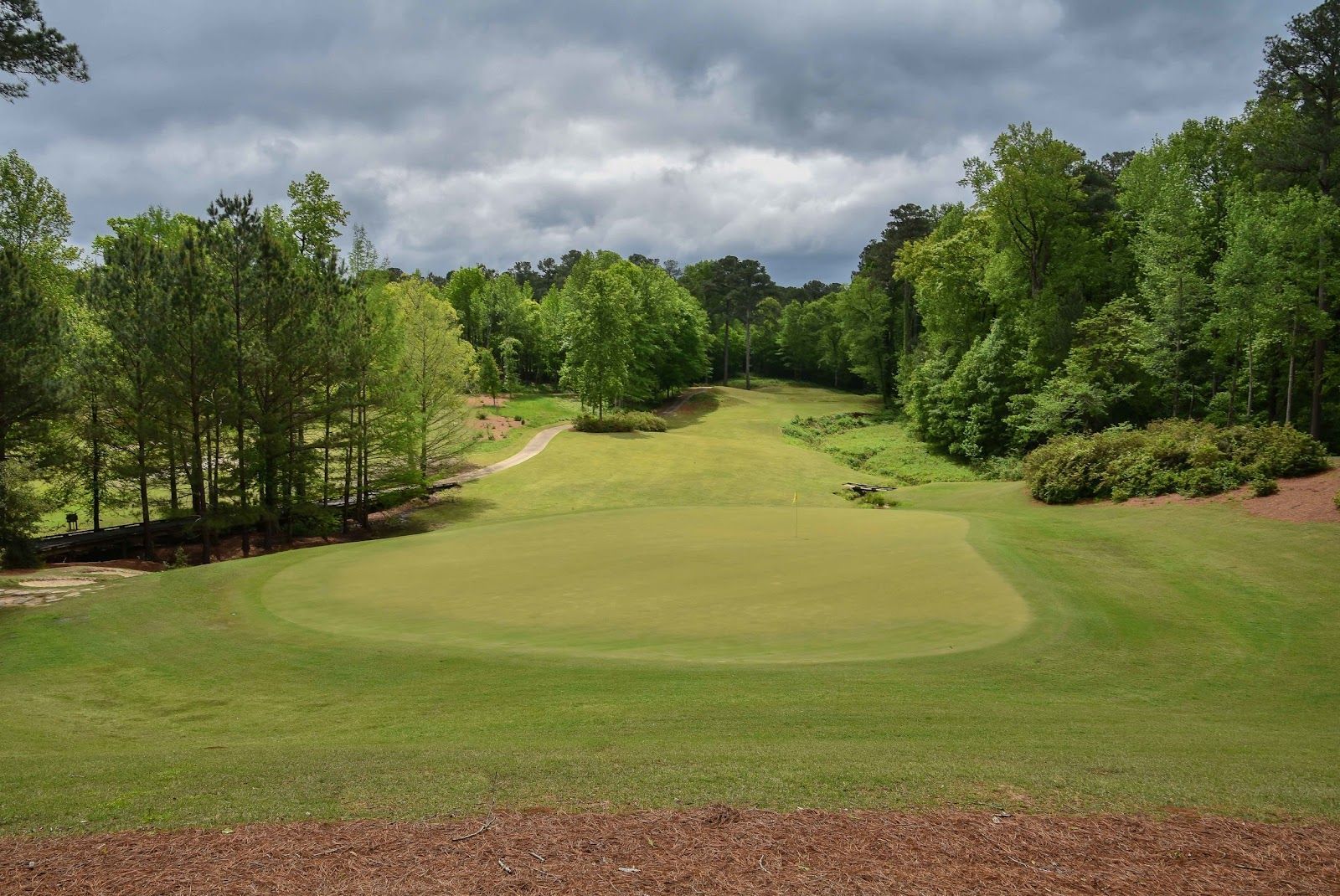
Mississippi is Fallen Oak, a Tom Fazio design opened in 2006, ranked in every American top-100 since. The Beau Rivage Resort and the surrounding Gulf Coast layouts (Grand Bear, Mossy Oak in West Point) round out a long weekend. Add Old Waverly two hours north for the Bob Cupp / Jerry Pate restoration.
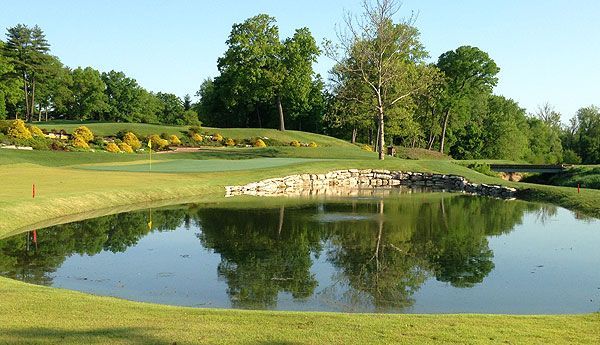
Missouri is a Big Cedar Lodge trip plus everything else. Big Cedar's five layouts in the Branson Ozarks (Payne's Valley, Ozarks National, Mountain Top par-3, Buffalo Ridge, Top of the Rock) plus St. Louis classics like Bellerive (2018 PGA, host of Brooks Koepka's win) and Kansas City Country Club north of the river.
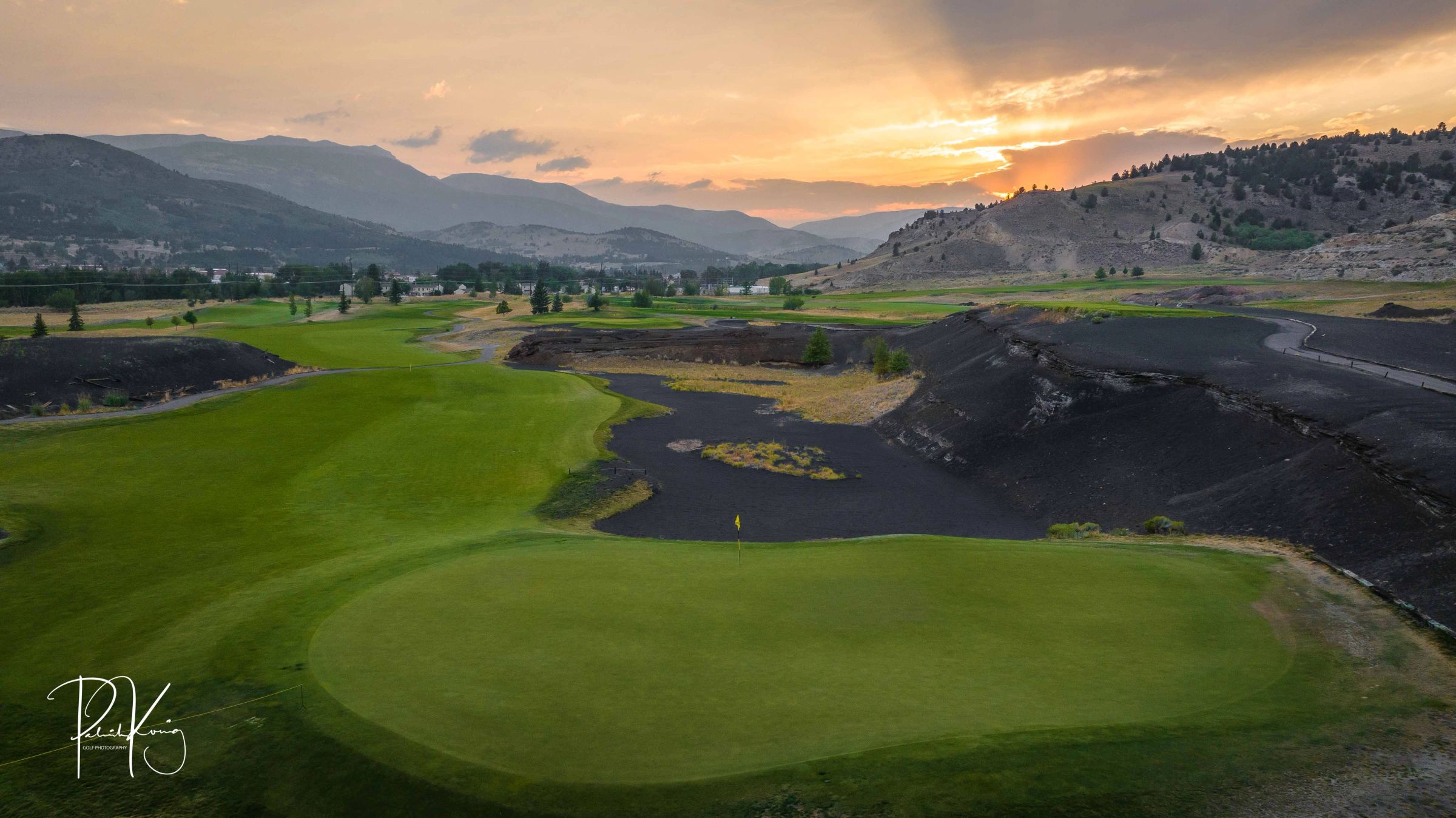
Montana golf is summer-only and worth the wait. The Stock Farm Club in Hamilton (Tom Fazio), Old Works in Anaconda (the Jack Nicklaus copper-mine reclamation), Iron Horse in Whitefish, and the Yellowstone Club for the ultra-private bracket. Add the Big Sky Resort layouts above 7,500 feet.
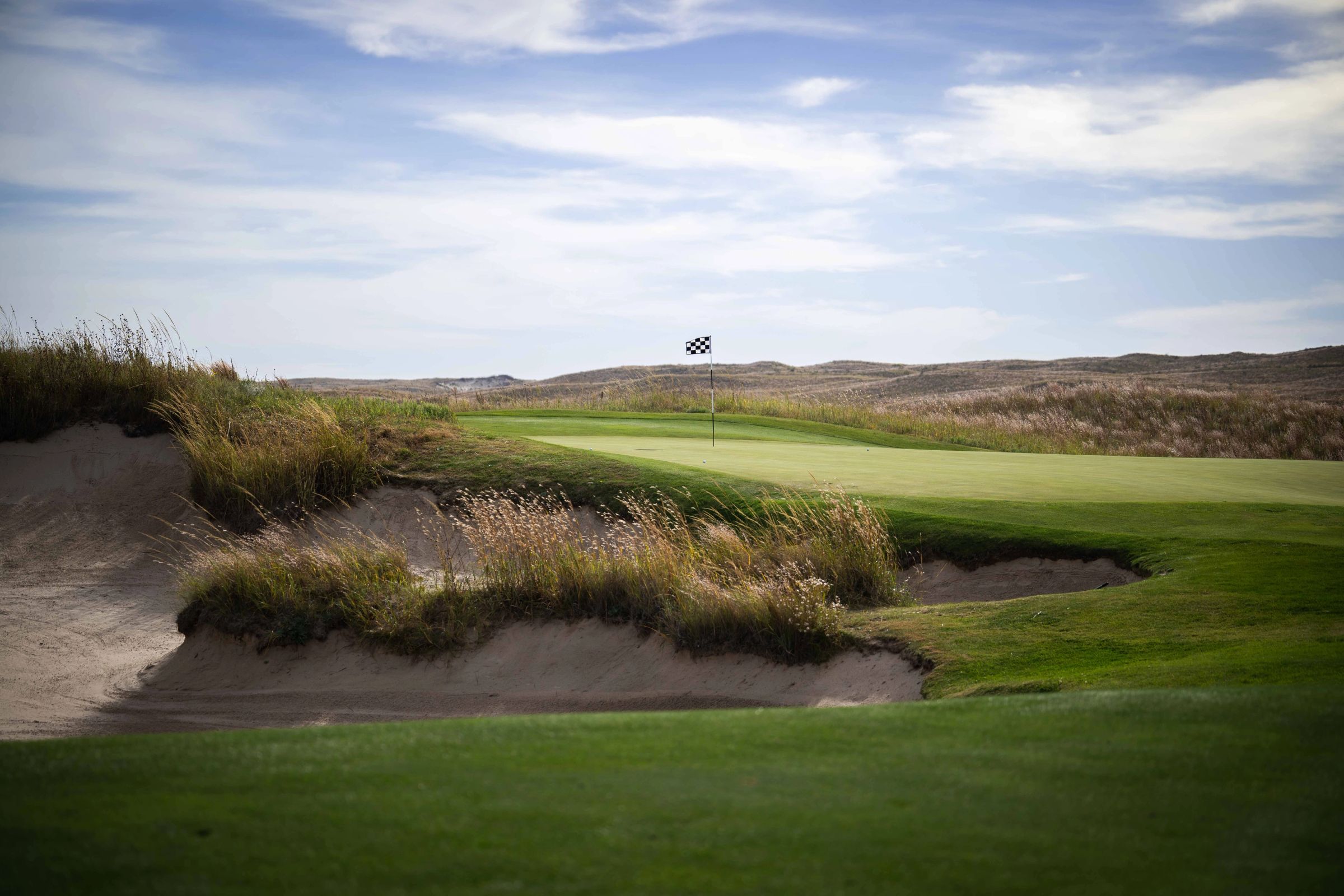
Nebraska is one course: Sand Hills Golf Club in Mullen. The Coore & Crenshaw original that launched the modern minimalist movement. Awkward to get to (fly into Denver, drive five hours; or fly into North Platte) but routinely on every architect's top-10-in-the-world list. The Prairie Club is the public-access counterpart an hour south.
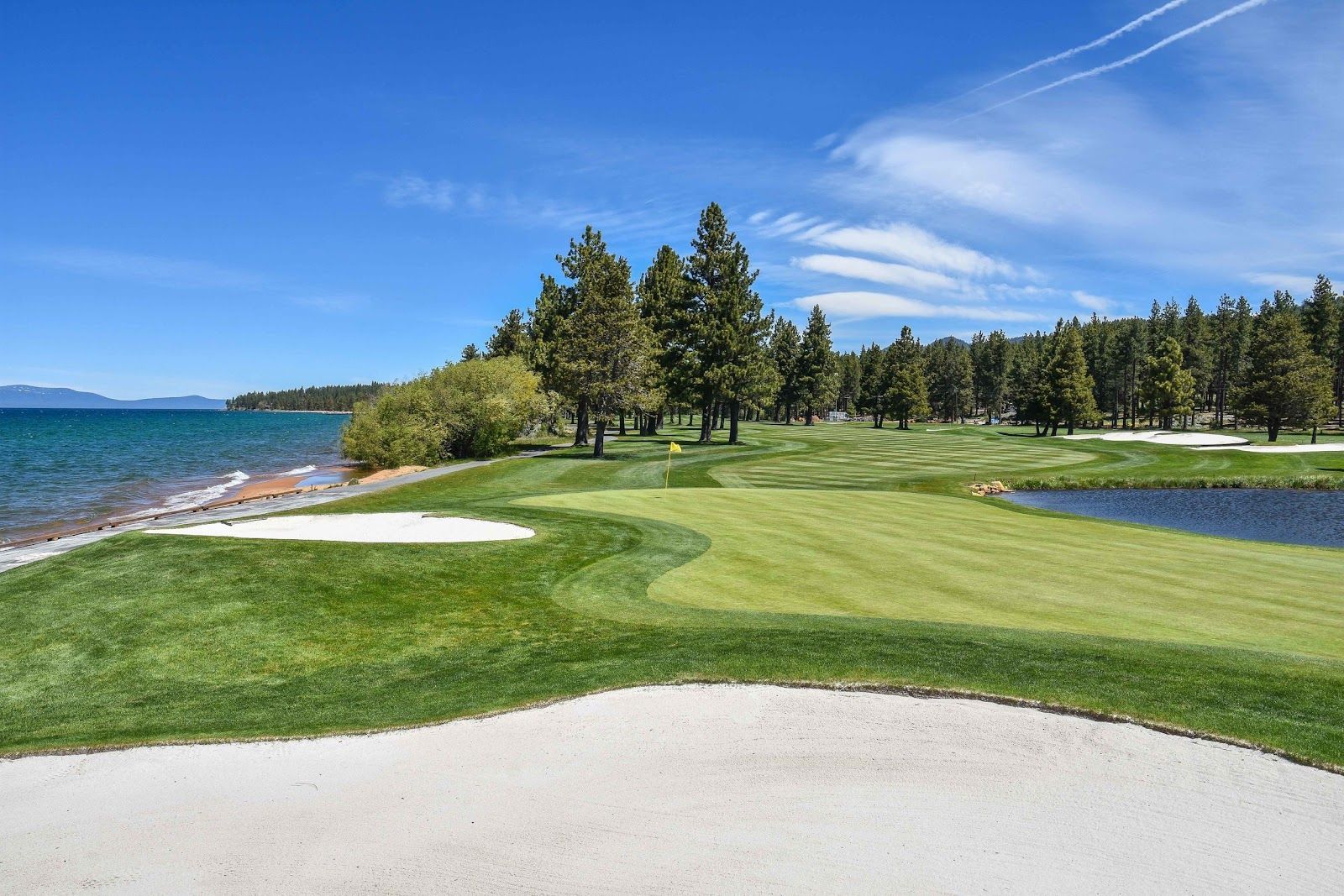
Nevada is mostly Las Vegas. Shadow Creek (Tom Fazio, 1990, built on what was bare desert) and Wynn Las Vegas are the famously private resort options. Cascata an hour from the Strip is the Rees Jones public alternative; Wolf Creek in Mesquite is the Vegas day-trip with the most photographed golf holes in the state.
New Hampshire's golf is a White Mountains affair. The Mount Washington Course at Bretton Woods (Donald Ross, 1915), Eastman in Grantham, Lake Sunapee Country Club. The Balsams in Dixville Notch is the historic grand-resort option restoring slowly. Season runs late May to mid-October.

New Jersey has more architecturally significant courses than any state for its size. Pine Valley (consensus #1 in the world), Baltusrol, Plainfield, Somerset Hills, Hidden Creek, Galloway National. Almost all private; Atlantic City Country Club is the public-access ace in the deck.
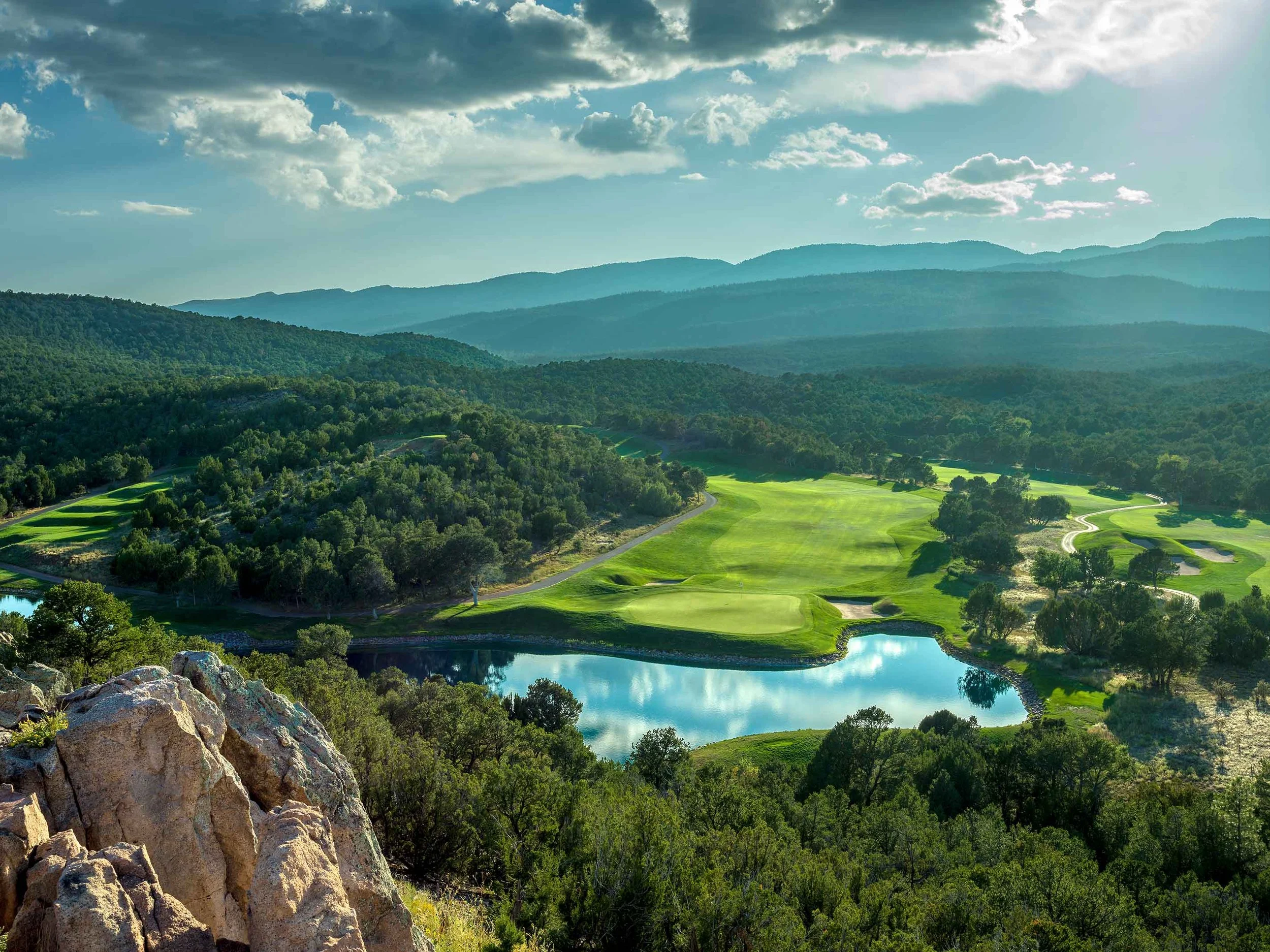
New Mexico's golf is altitude-aided and dramatic. Black Mesa (Baxter Spann, 2003) in La Tijera plays through volcanic outcroppings; Paa-Ko Ridge in the Sandia foothills is the Sandia Pueblo's Ken Dye design. Santa Fe's Las Campanas adds the Jack Nicklaus high-end private option.

Long Island alone holds more architectural pedigree per square mile than any region in the country: Shinnecock, the National, Maidstone, Friar's Head, Sebonack. Upstate has Bethpage Black on the state-park side and the Westchester private bench (Winged Foot, Sleepy Hollow). NYC golf is private until you get to the public-access state parks.

North Carolina is a Pinehurst trip first. The resort's nine numbered courses (No. 2 above all) plus Tobacco Road, Mid Pines, Pine Needles, and Dormie Club within a 30-minute radius. The mountains around Asheville have Wade Hampton and Mountaintop for the private side; the coast adds Bald Head and Eagle Point.
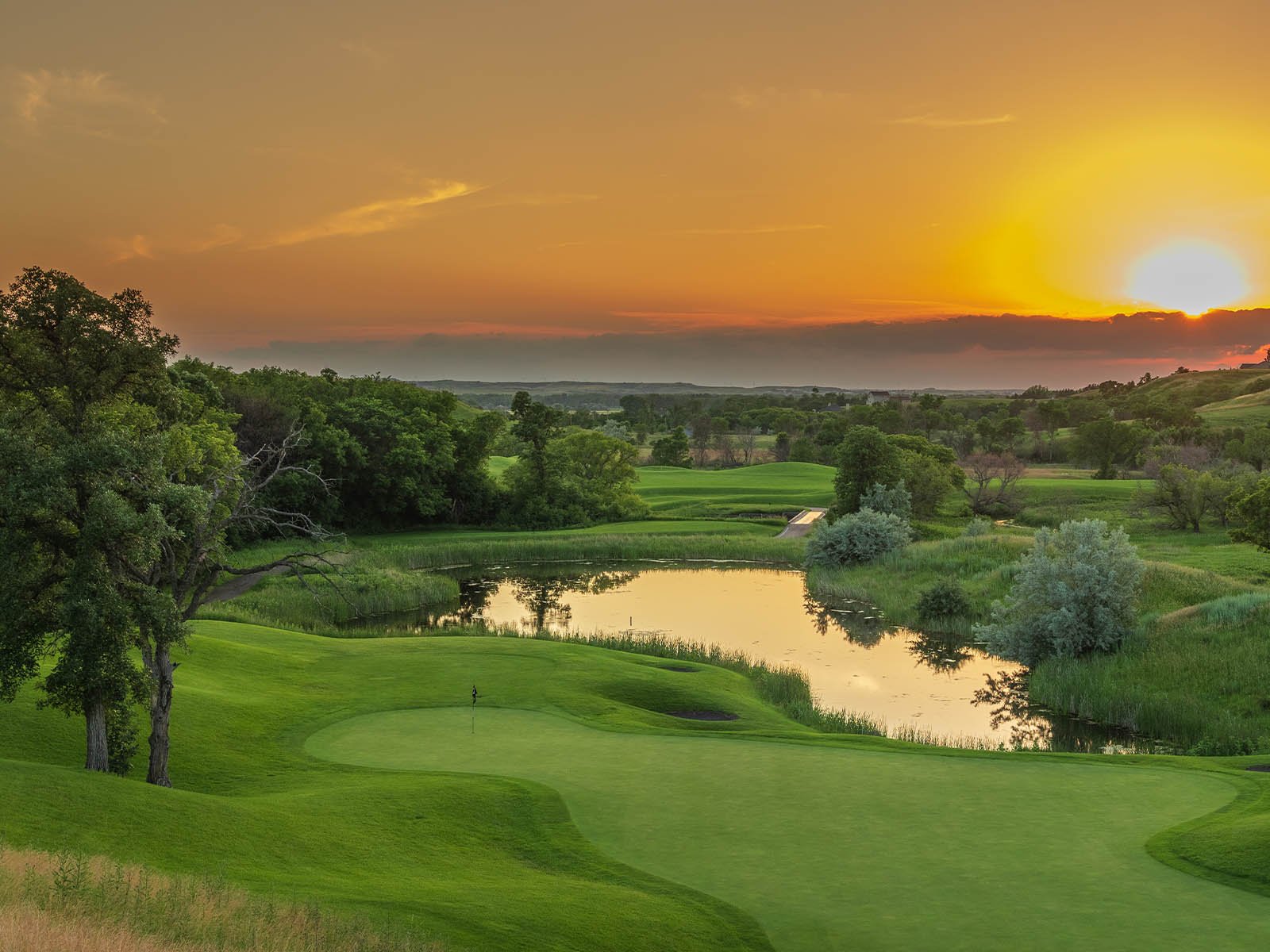
North Dakota golf is Hawktree, Jim Engh's Bismarck design with black-sand bunkers across the prairie. Bully Pulpit in Medora plays through the badlands at the edge of Theodore Roosevelt National Park. Fargo Country Club and Oxbow round out the eastern side.
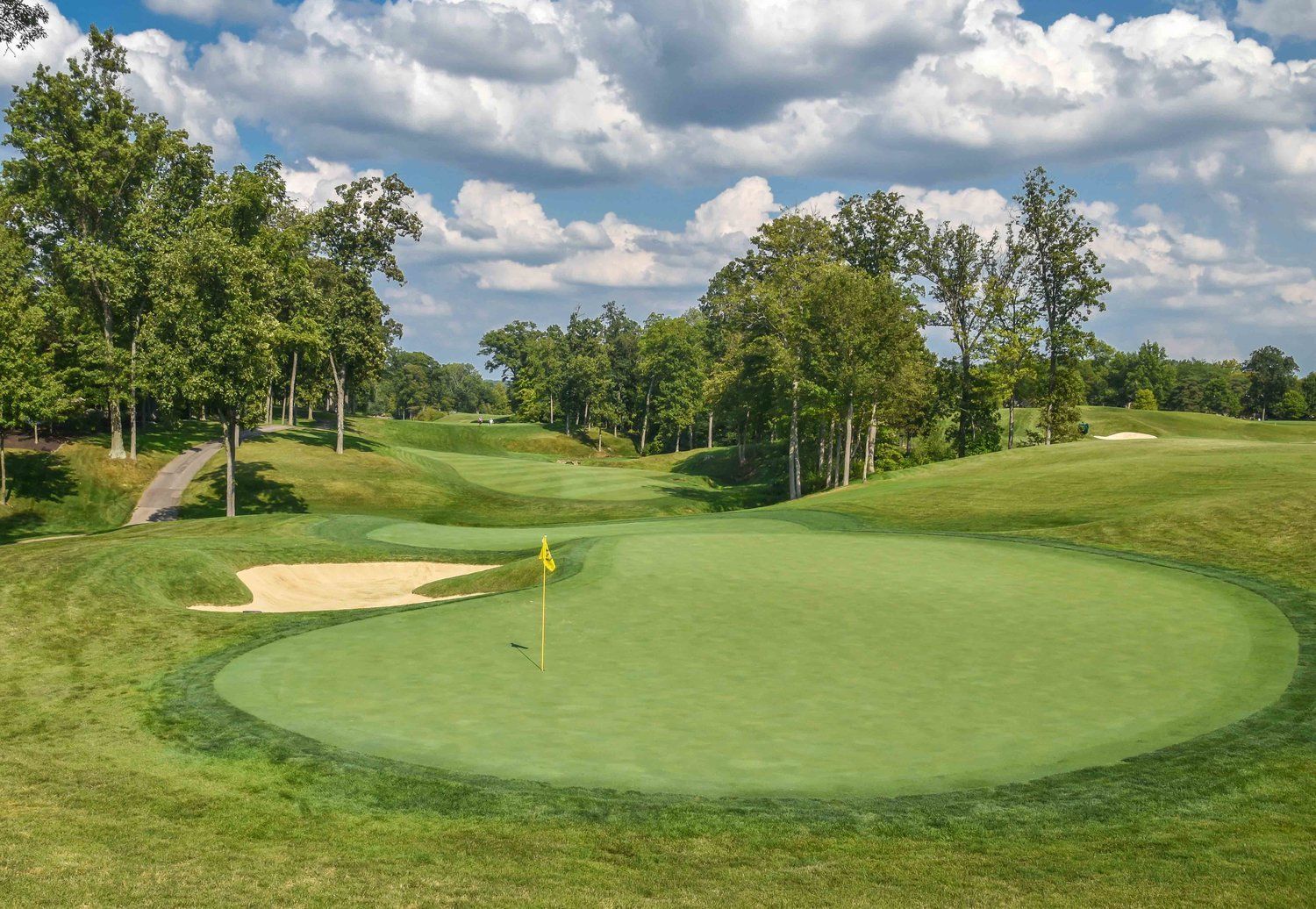
Ohio is one of the most under-rated golf states. Muirfield Village hosts the Memorial; Scioto raised Jack Nicklaus; Inverness in Toledo has four U.S. Opens to its credit; Camargo in Cincinnati is a Seth Raynor original. Most are private, but the state's premier-tier public catalog is deeper than expected.
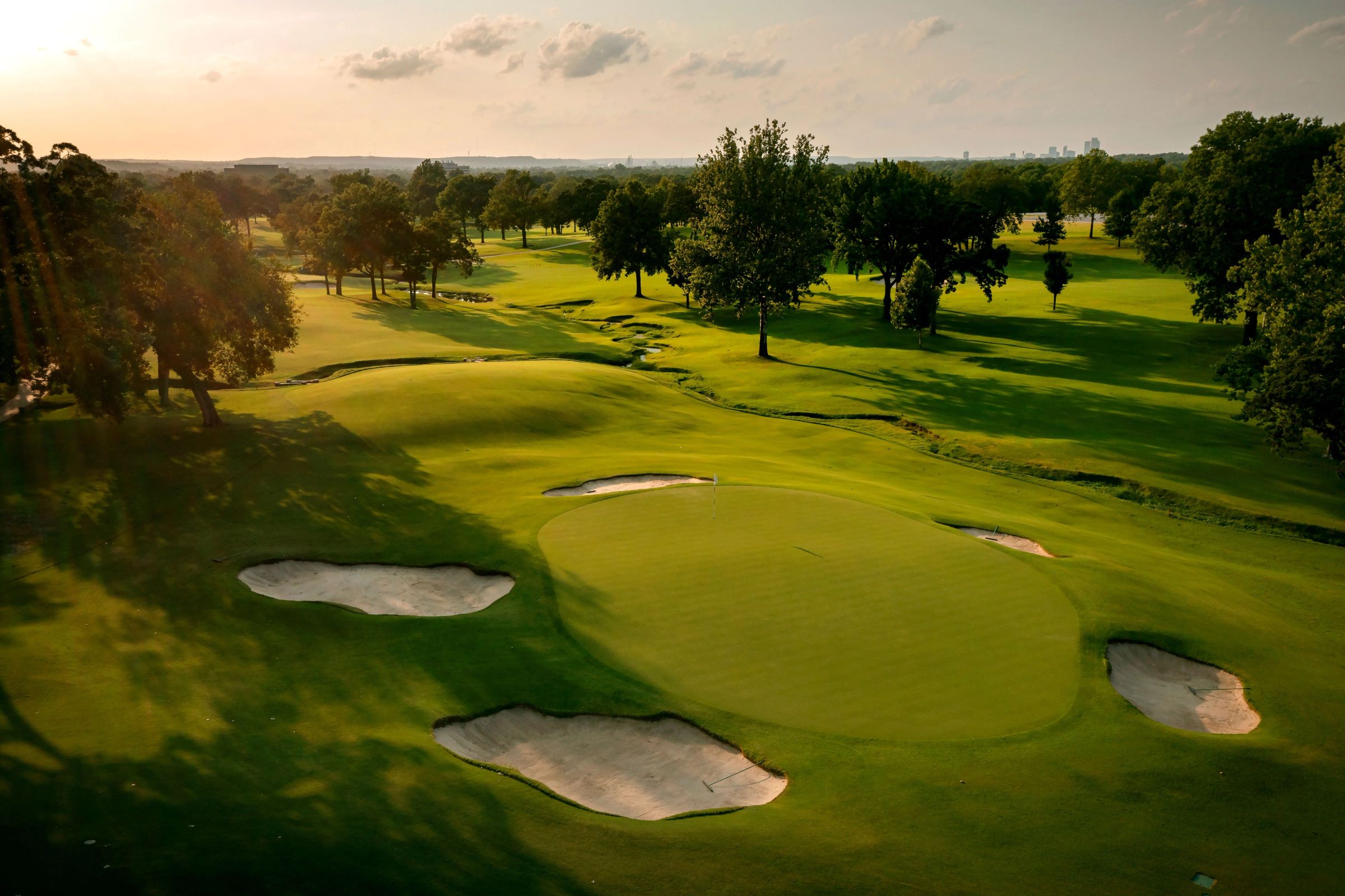
Oklahoma is the Tulsa-and-Edmond corridor. Southern Hills (Perry Maxwell, 1936) has hosted four PGAs and three US Opens; Oak Tree National (Pete Dye, 1976) is the 1988 PGA host with one of the highest slope ratings in the country. Karsten Creek is the public-access companion in Stillwater.
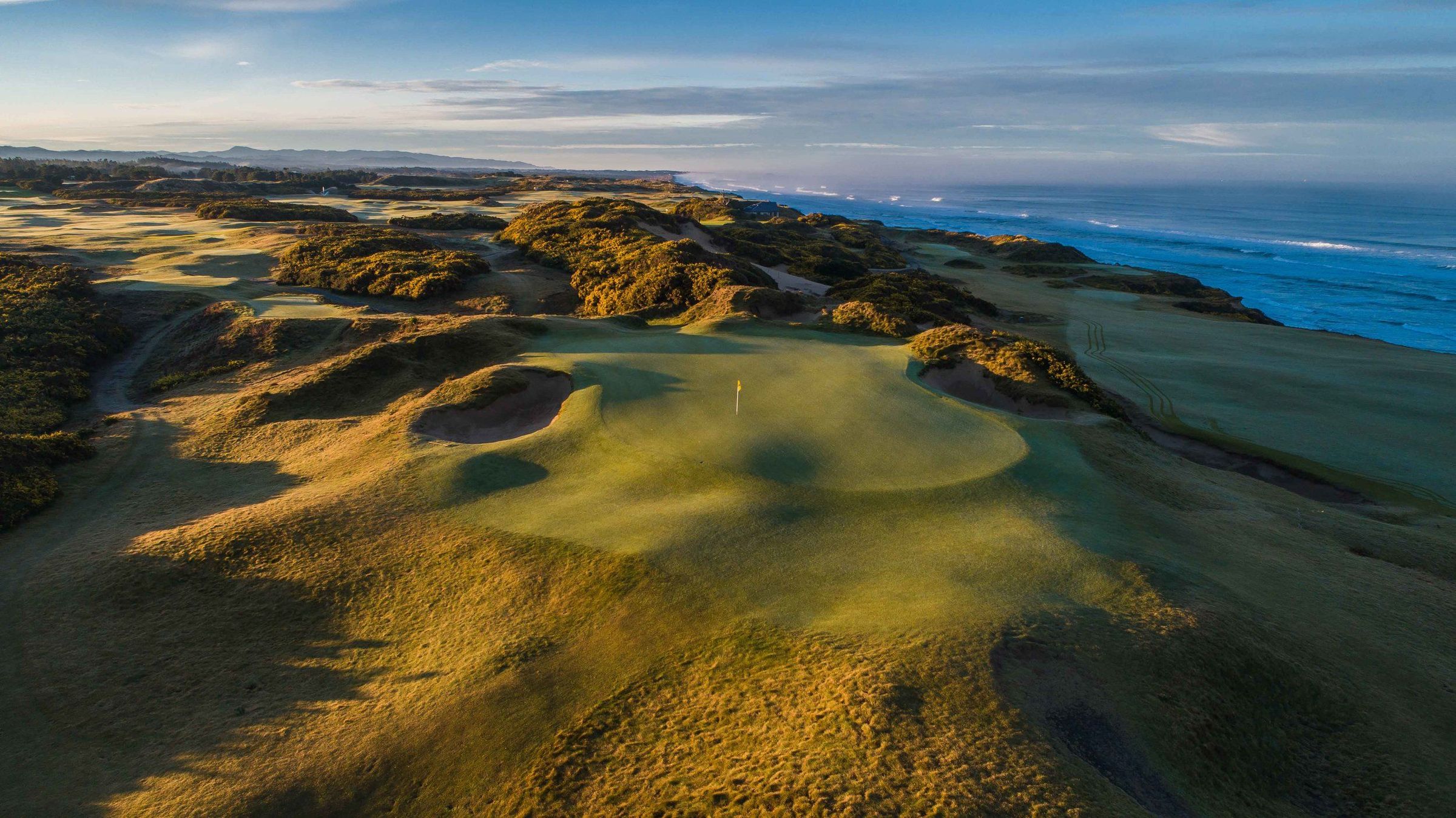
Oregon golf travel is a Bandon trip and not much else. Five resort courses on the Pacific cliffs (Pacific Dunes, Bandon Dunes, Bandon Trails, Old Macdonald, Sheep Ranch) plus the par-three Preserve. Hop the gulf to Portland for Pumpkin Ridge and Waverley before flying out.
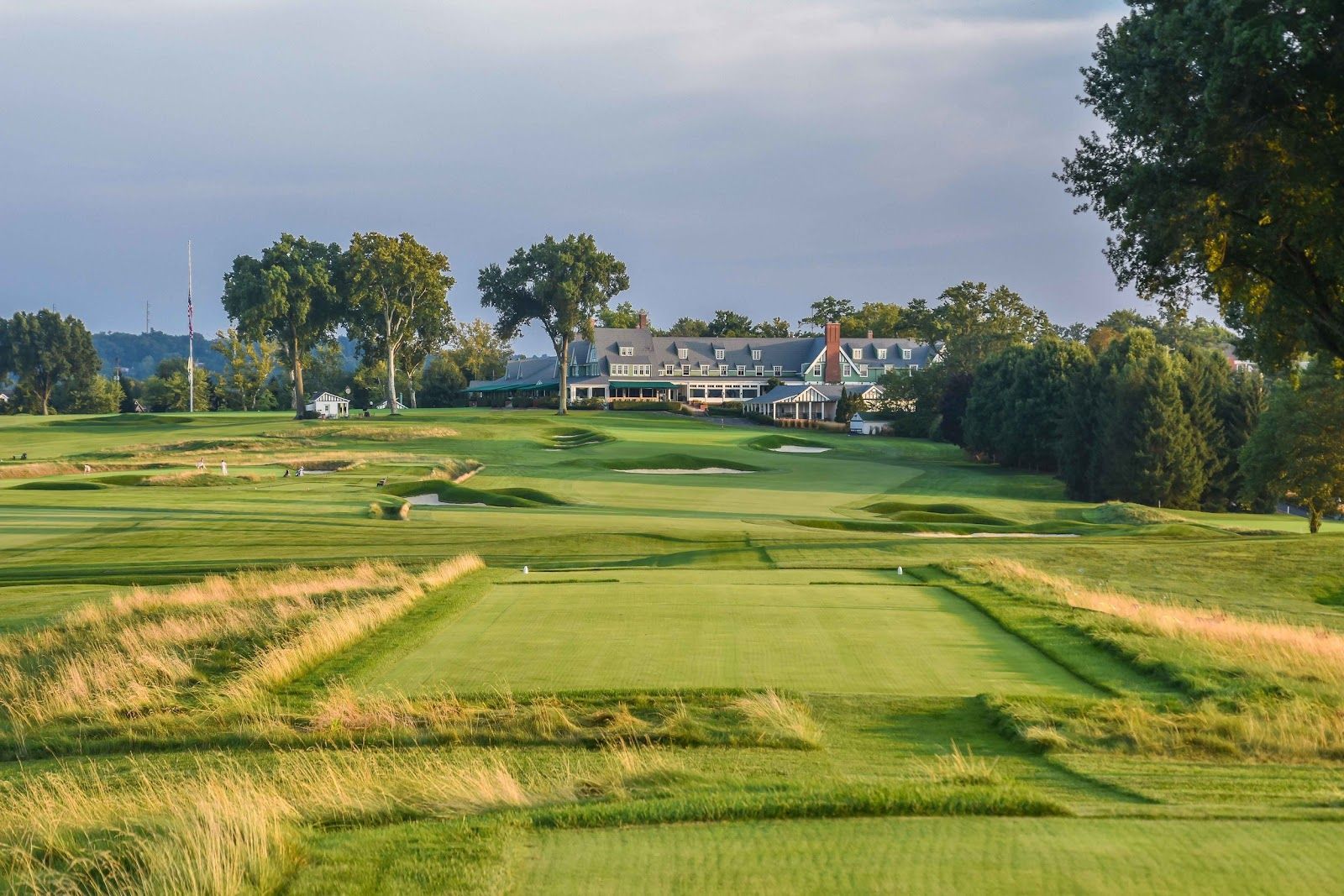
Pennsylvania's golf is bifurcated. Philadelphia and its suburbs hold a deep Tillinghast / Crump / Flynn classical catalog (Merion, Pine Valley just over the Jersey border, Aronimink). Western PA is Oakmont, Fox Chapel, and Laurel Valley, Pittsburgh's heritage clubs.
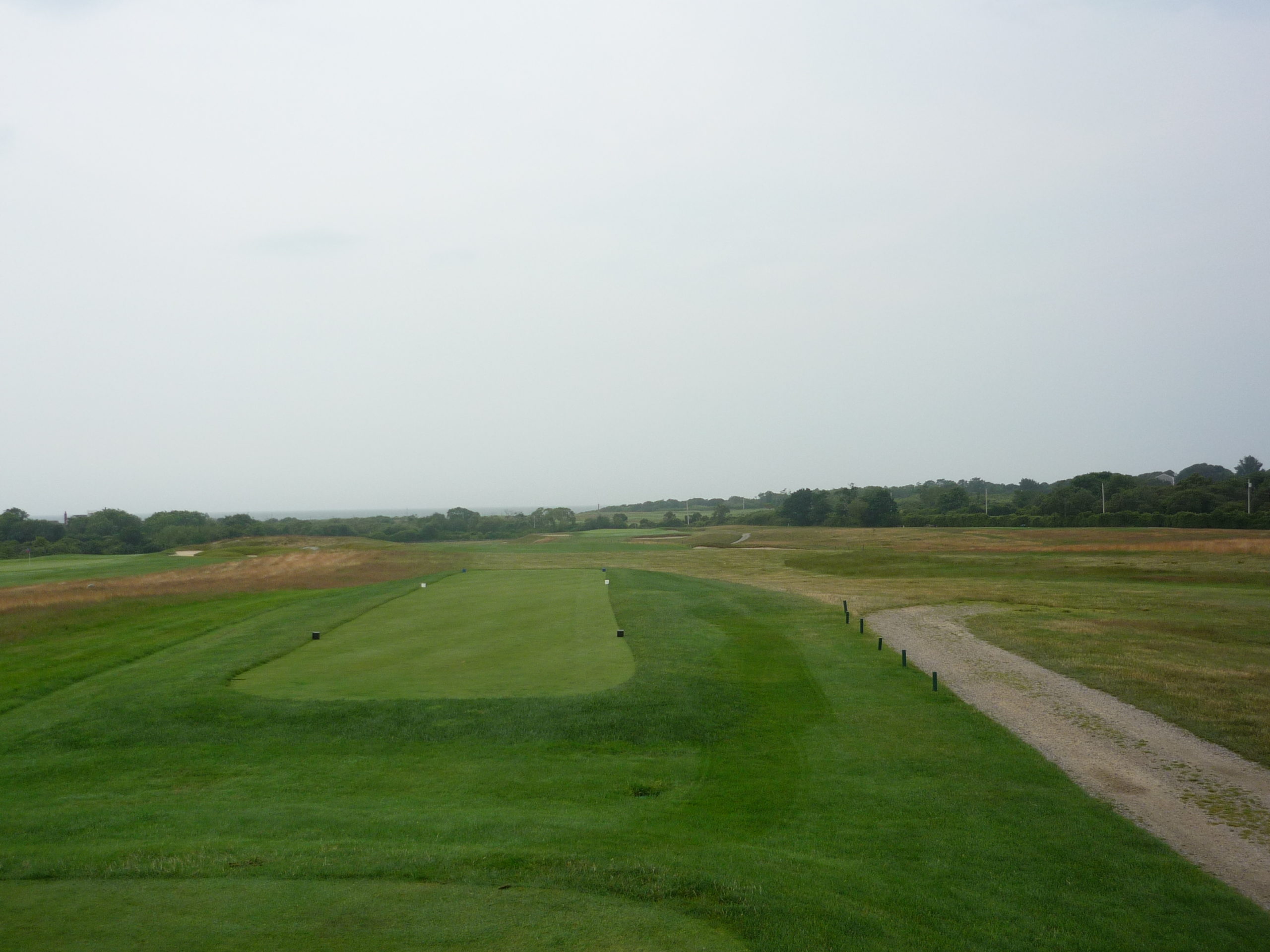
Rhode Island is small and architecturally significant: Newport Country Club (1895, host of the very first US Open and US Amateur, restored by Gil Hanse), Wannamoisett in Rumford (Donald Ross, 1914, site of the longest-running annual amateur in golf), Misquamicut. Most are private but the heritage is impossible to overstate.
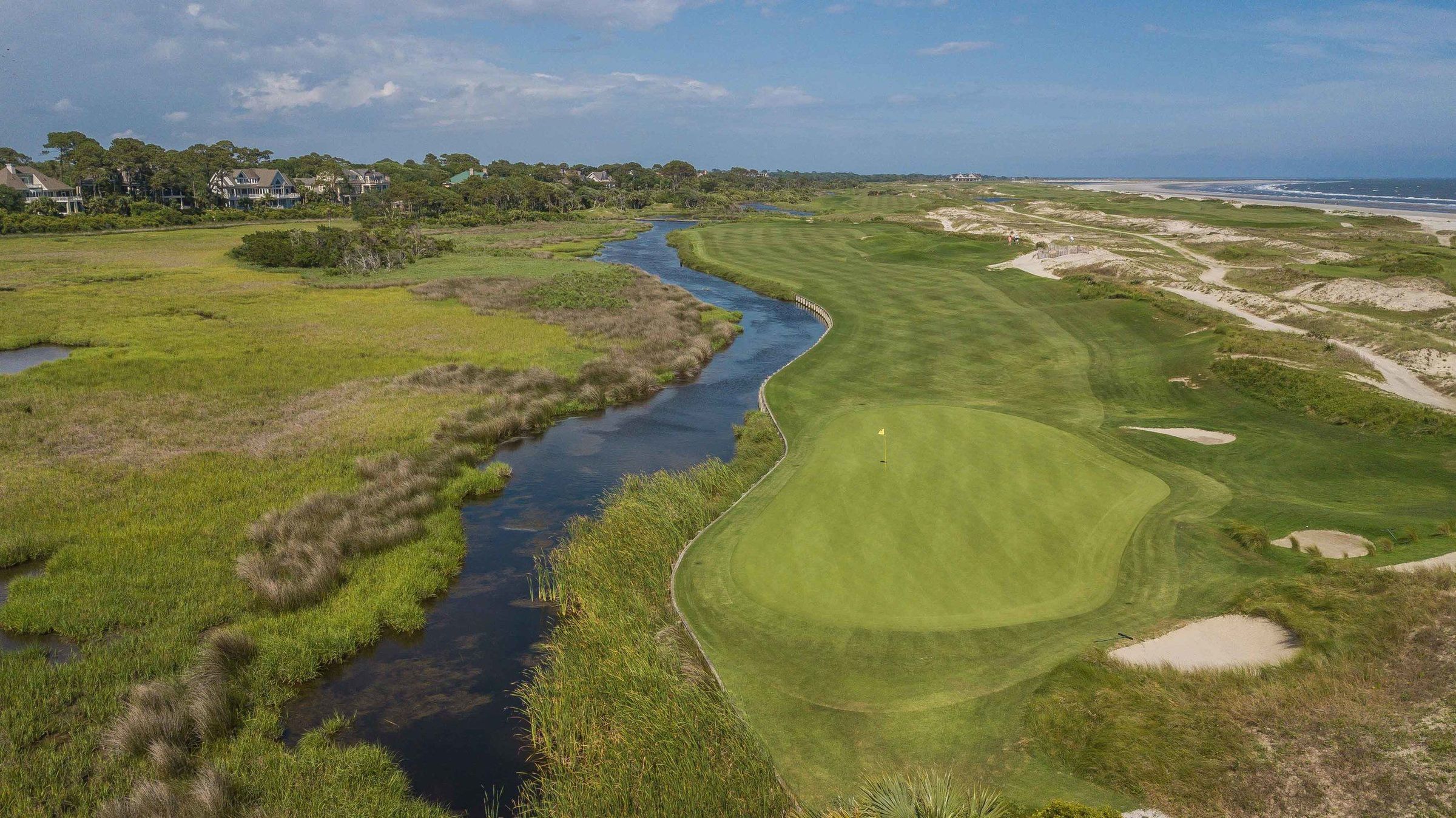
South Carolina is two distinct trips. Charleston / Kiawah Island / Bulls Bay on the Lowcountry coast is the Pete Dye + Tom Fazio side. Aiken's Palmetto and Sage Valley pair with Augusta National across the river. The Grand Strand is the high-volume public-resort end of the catalog.
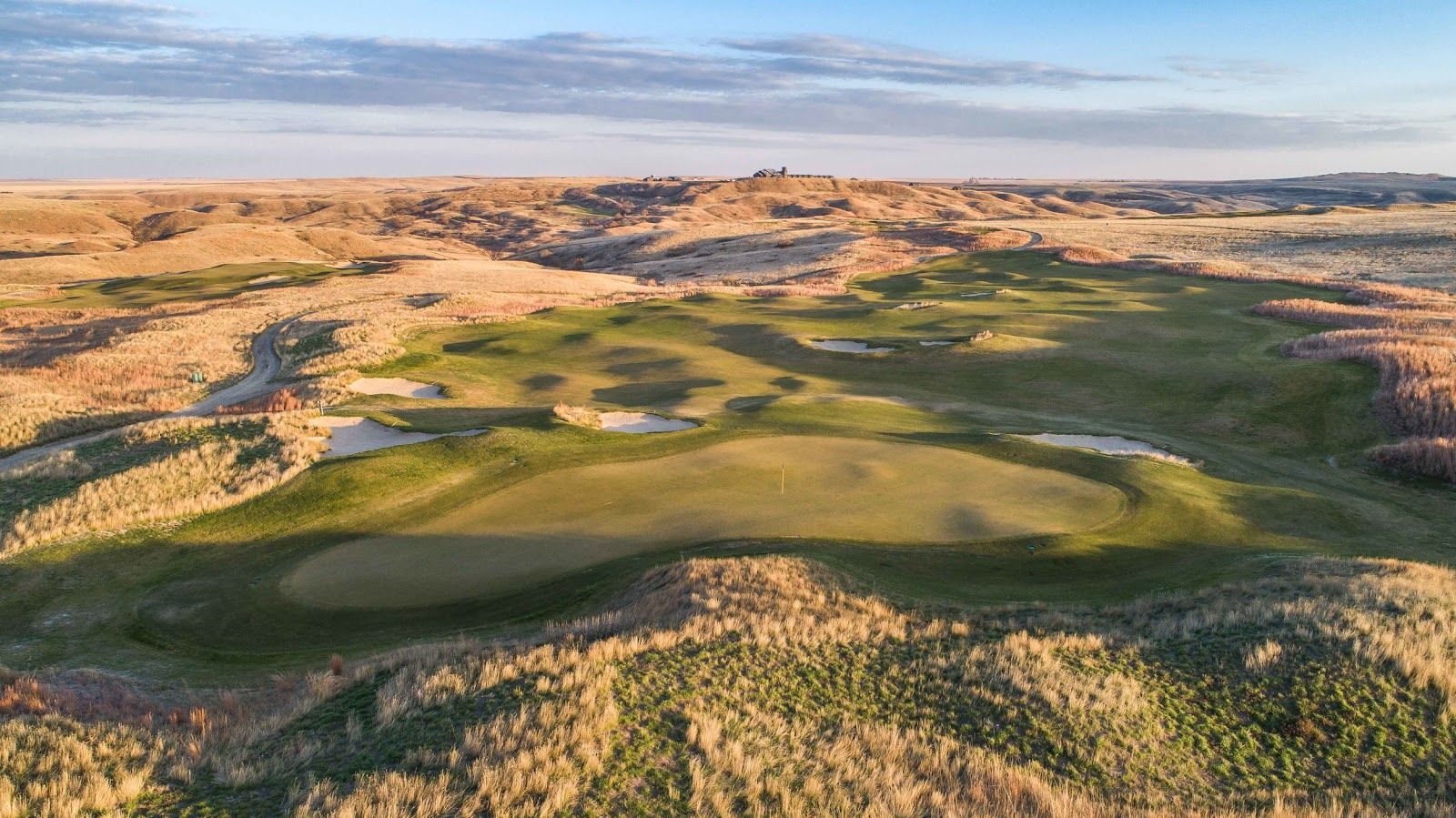
South Dakota's golf catalog is small but anchored by Sutton Bay, Graham Marsh's prairie layout over the Missouri River, a routine Golf Digest top-100 American course. The state otherwise leans rustic: Hidden Valley in Rapid City, Dakota Dunes near Sioux Falls. Sutton Bay alone makes the trip.
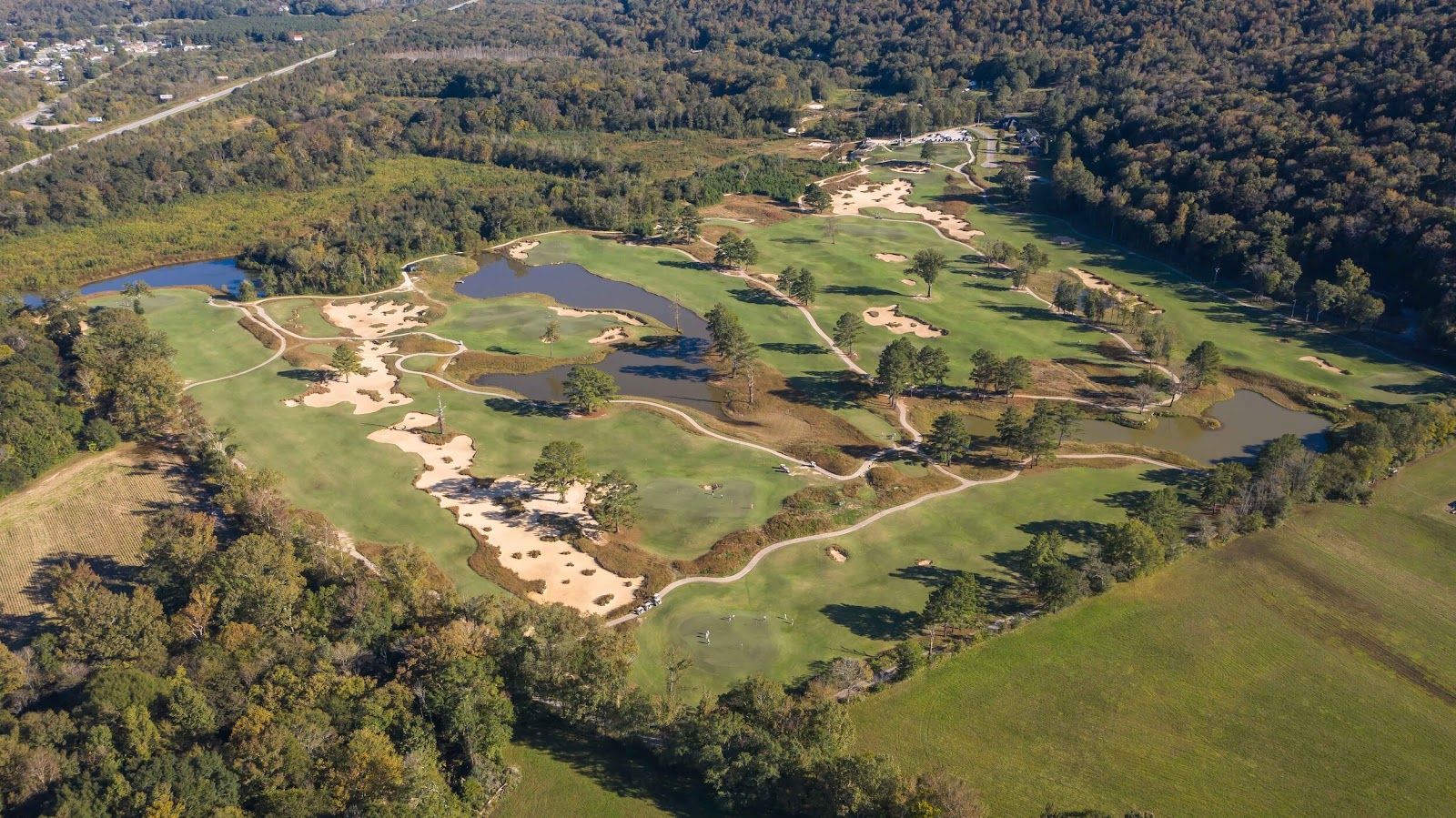
Tennessee is two essential stops: The Honors Course outside Chattanooga (Pete Dye, 1983) and Sweetens Cove (a nine-hole Rob Collins masterpiece an hour from the same airport). Nashville has Belle Meade and the Hermitage; Memphis adds TPC Southwind for the PGA Tour FedEx St. Jude visit.
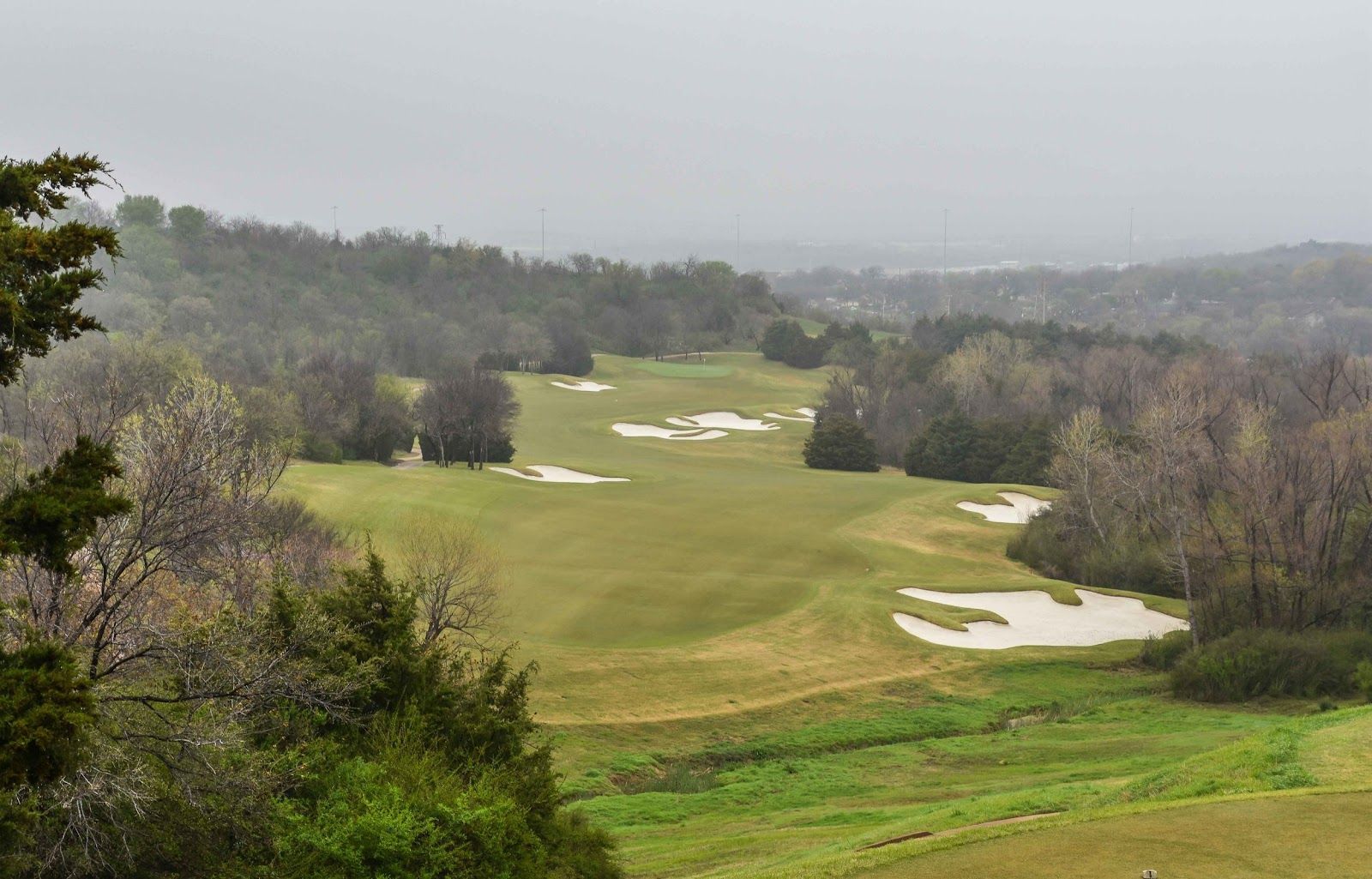
Texas has more golf than people give it credit for. Dallas National, Trinity Forest, and Maridoe make a Dallas swing; Houston has the Memorial Park public TPC layout and the country-club catalog. South Texas has the Whispering Pines / Bluejack National private side.
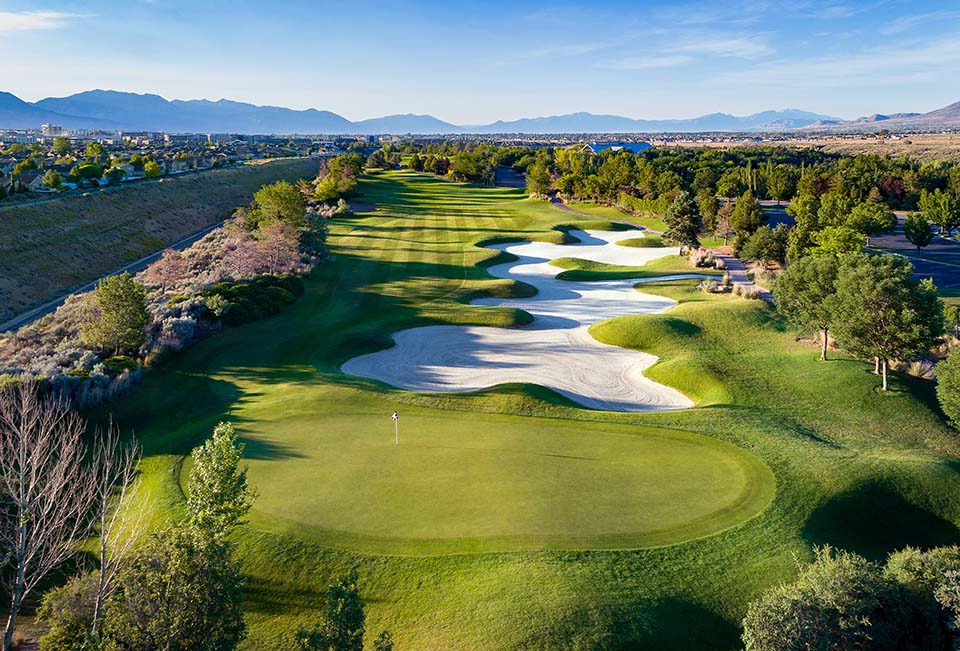
Utah golf is the Park City and Heber Valley corridor: Victory Ranch (Rees Jones), Promontory (Pete Dye and Nicklaus loops), Glenwild (Tom Fazio). All are summer-season high-altitude layouts. St. George's red-rock public golf (Sand Hollow, Coral Canyon, Sky Mountain) is the winter complement.
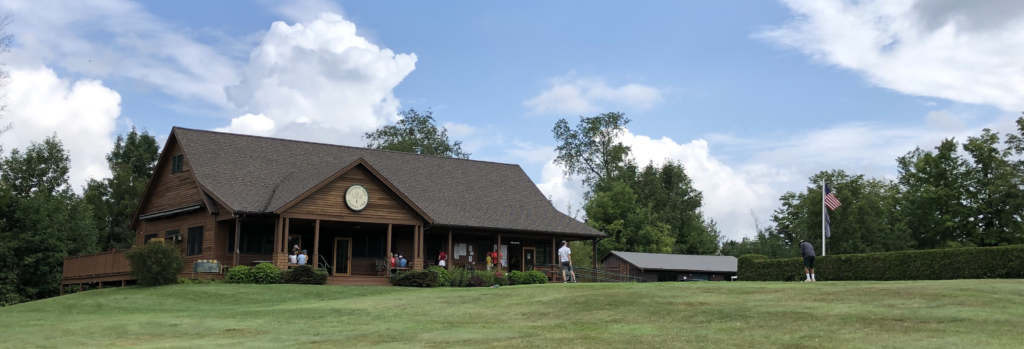
Vermont golf is Walter Travis's Ekwanok Country Club in Manchester (1900), one of America's oldest, the prototype for half the early-century New England layouts. The Equinox Resort sits a mile away. Stratton Mountain, Sugarbush, and the Quechee Club layouts cover the rest of the summer-season state.

Virginia's golf splits between the Tidewater (Kingsmill's River Course, the Cavalier Golf and Yacht Club) and the Blue Ridge (Primland, Lookout Mountain, the Greenbrier's neighbors across the state line). Washington DC commuters have an underrated bench in Northern Virginia: International, Robert Trent Jones, Kinloch.
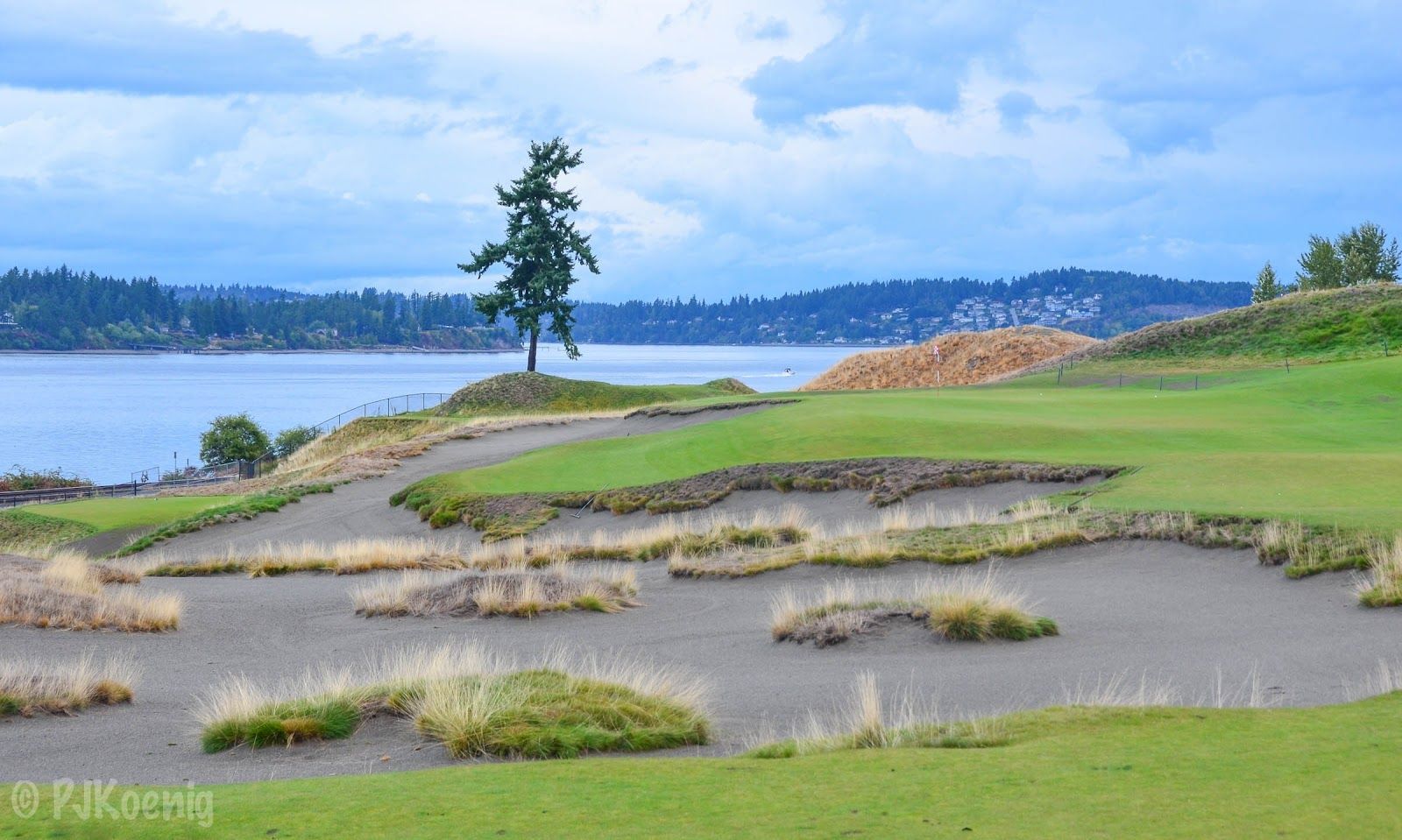
Washington has Chambers Bay (Tacoma, 2015 US Open) and Sahalee (Sammamish, 1998 PGA) as the headliners. The San Juan Islands and the Olympic Peninsula add quieter resort options: Salish Cliffs, Gamble Sands east of the Cascades. Aldarra is the under-the-radar private gem outside Seattle.
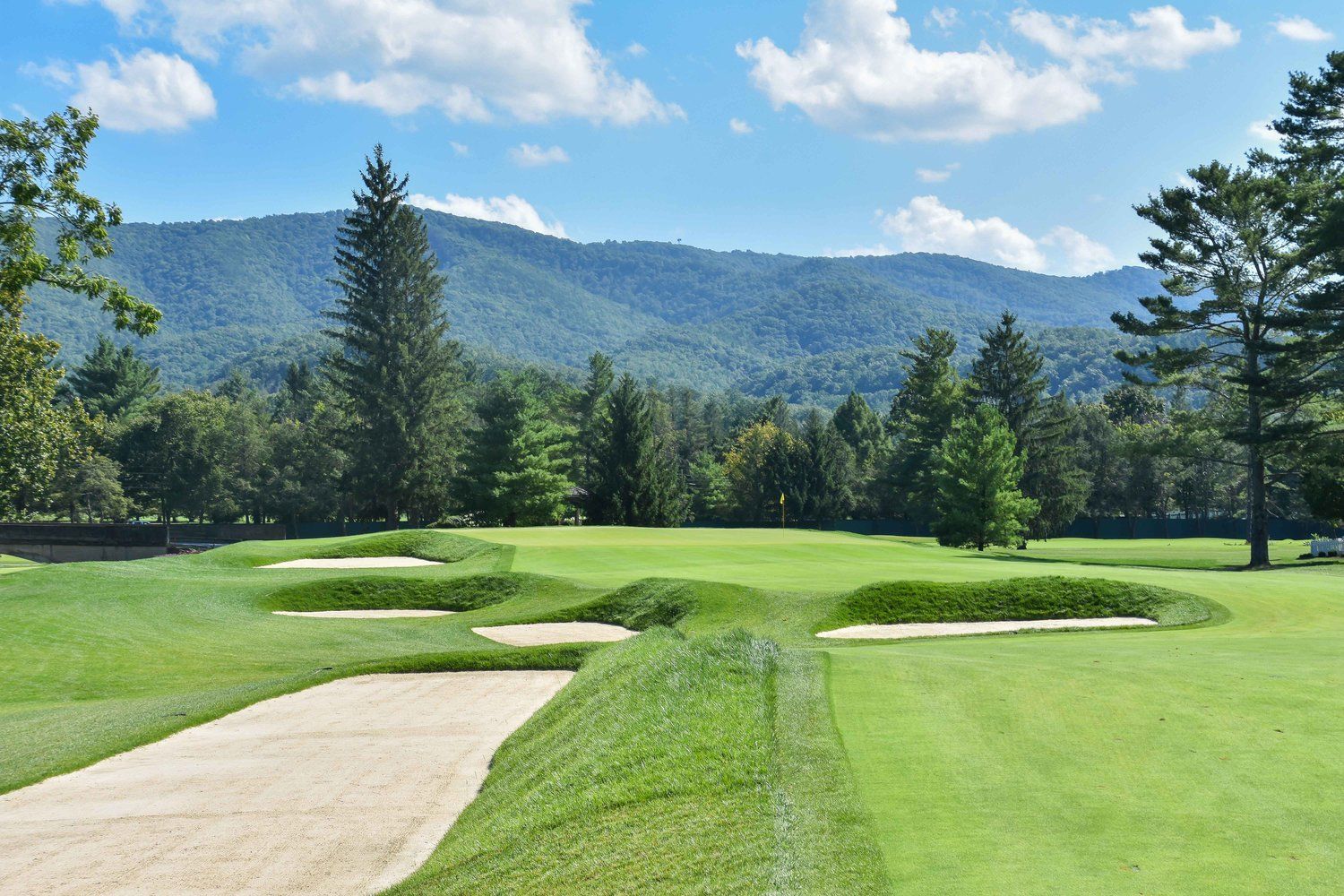
West Virginia is the Greenbrier, the Old White TPC, the Greenbrier Course, the Snead Course at the historic White Sulphur Springs resort. An hour north, the Pete Dye Golf Club in Bridgeport is the architect's most idiosyncratic late-career routing. The two together make a long weekend.
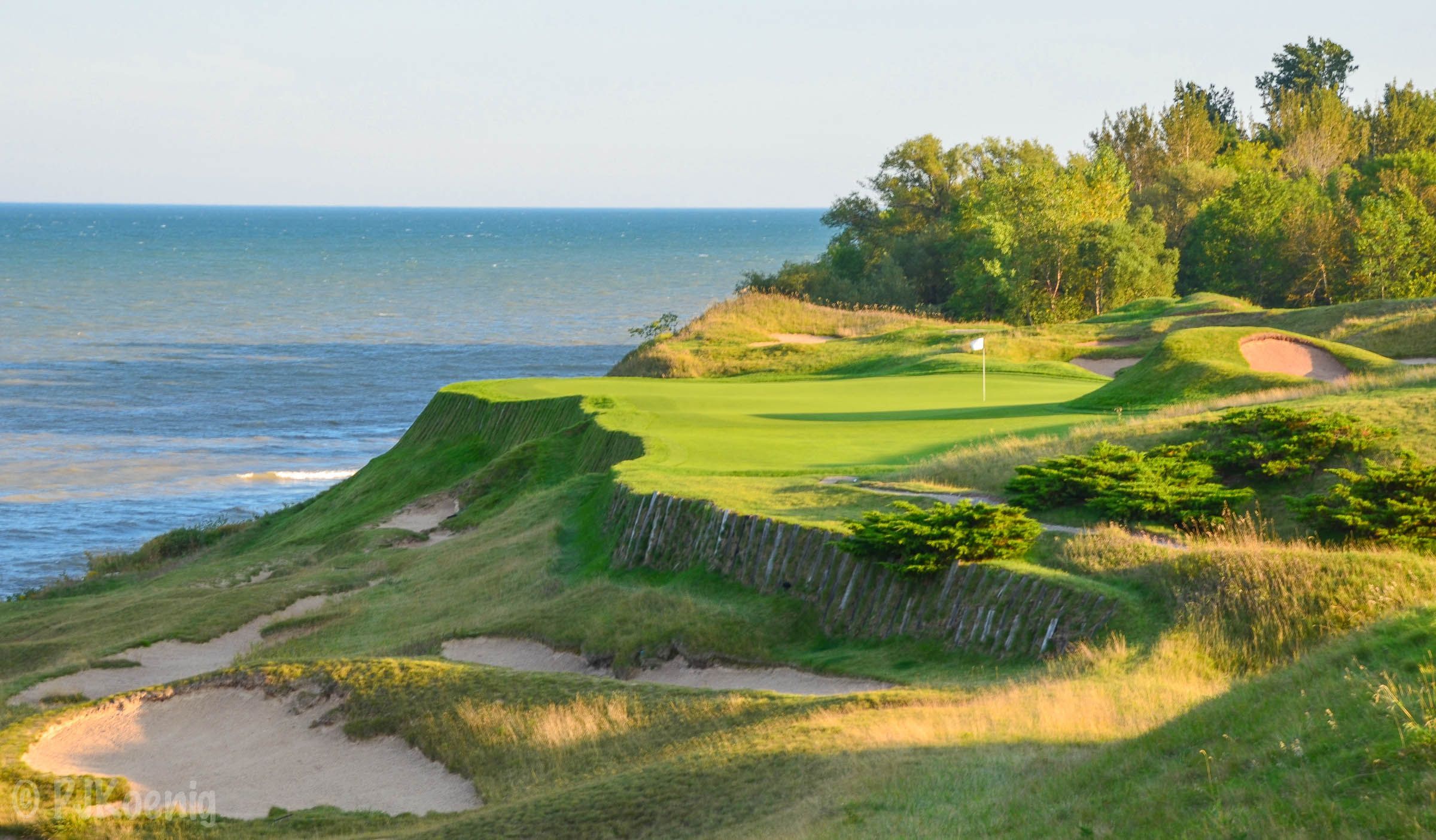
Wisconsin golf is Whistling Straits and Erin Hills as the major-host headliners, plus Sand Valley three hours up. The Kohler resort complex (Straits, Irish, Blackwolf Run River, Blackwolf Run Meadow Valleys) is a long weekend by itself.
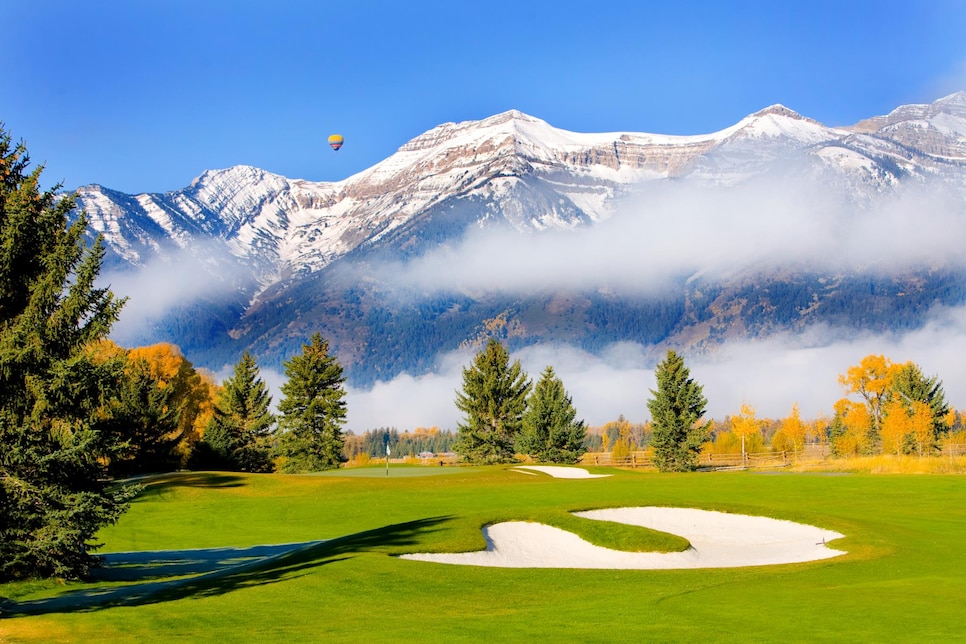
Wyoming has the smallest population in the lower 48 and a surprisingly strong private golf bench. Teton Pines (Arnold Palmer/Ed Seay) and 3 Creek Ranch (Rees Jones) in Jackson Hole; Old Baldy Club in Saratoga; The Powder Horn near Sheridan. The Jackson Hole Golf and Tennis Club is the public-access companion under the Tetons.